




The ankle and foot form the foundation of your entire body. Every step, jump, push-off, and landing relies on coordinated work between the ankle joints (talocrural and subtalar), midfoot and forefoot bones, cartilage surfaces, ligaments, tendons, fascia, and nerves, all influenced by the knee, hip, pelvis, and spine above. The plantar fascia, Achilles tendon, peroneal, tibialis posterior/anterior, and the many small intrinsic foot muscles must absorb shock, stabilize, and propel you forward thousands of times a day.
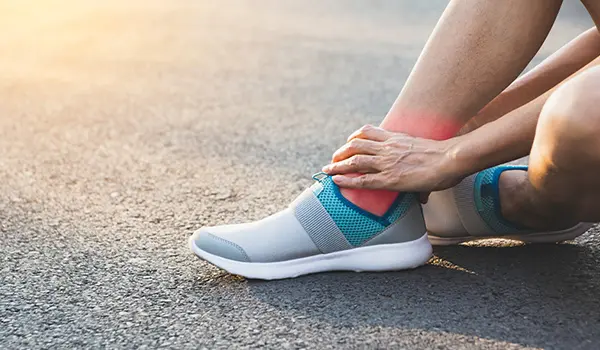

Sharp pain on the inside or outside of the ankle after a twist or sprain
Ongoing “weak ankle” feeling, frequent rolling, or instability on uneven ground
Stabbing or “pinching” pain on one side of the spine or near the shoulder blade
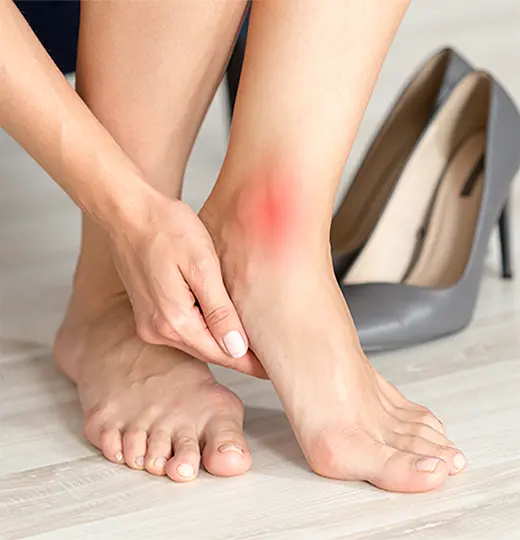
Heel pain with first steps in the morning or after sitting (classic “start-up” pain)
Aching under the arch or ball of the foot with walking, standing, or running
Burning, tingling, or numbness in the foot or toes
Pain at the back of the heel or along the Achilles tendon with stairs, hills, or running
Many people are surprised to learn that ankle and foot pain are rarely just a “sprain,” a “flat foot,” “plantar fasciitis,” or a simple “bone spur.” Even when X-rays or MRIs show similar changes (like heel spurs or mild degeneration), some people are pain-free while others struggle to walk. That’s because symptoms often come from the system around the foot and ankle: how the hip and knee control load, how the calf and intrinsic muscles work, how the plantar fascia and ligaments share tension, how nerves behave, and how your walking and standing patterns distribute pressure.
When inflammation builds, circulation slows, fascia and retinaculum tissues stiffen, or muscles stay in constant protection mode, the ankle and foot can feel painful, unstable, stiff, or unreliable, especially with walking, running, standing at work, or sports. In some cases, nerve-related conditions like Tarsal Tunnel Syndrome or Complex Regional Pain Syndrome (CRPS) after fractures, sprains, or surgery can cause burning, color changes, swelling, and movement fear when the nervous system remains stuck in a high-alert state.
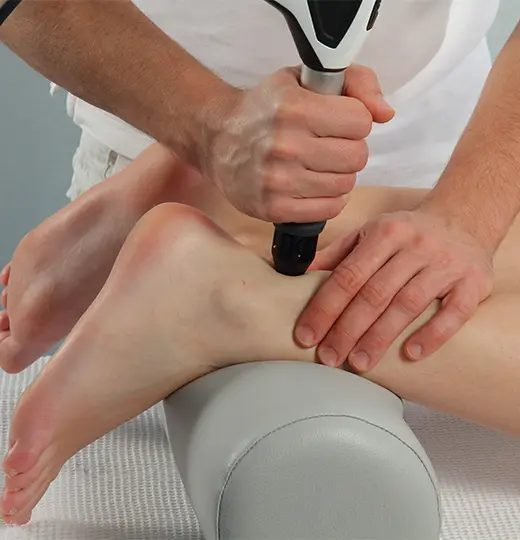
At Shiva Physical Therapy, we respect traditional care such as bracing, taping, activity modification, basic exercises, and manual therapy. The S.H.I.V.A. Method was created as a regenerative physical therapy extension to this care, not a replacement, adding smarter, whole-system support that improves circulation, fascia health, nerve mobility, tendon/ligament repair environment, and load-sharing from hip to toes. This helps your ankle and foot recover more naturally, confidently, and sustainably, especially in complex or recurring cases.
At Shiva Physical Therapy, we support recovery for a wide range of ankle and foot–related pain
and movement problems, including both common and under-recognized conditions
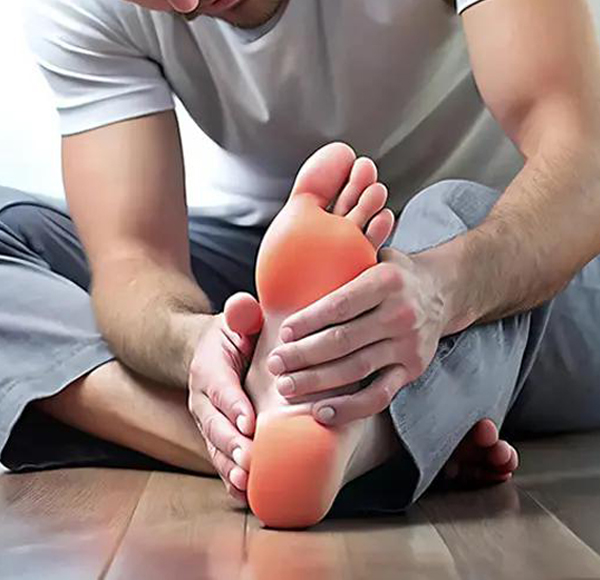

Lateral & Medial Ankle Sprains (acute & chronic)
Chronic Ankle Instability and “weak ankle” patterns
High Ankle Sprain / Syndesmotic Injury
Achilles Tendinopathy (mid-portion or insertional)
Peroneal Tendinopathy and tendon subluxation/overload
Posterior Tibial Tendon Dysfunction (PTTD) and collapsing arch patterns
Plantar Fasciitis / Plantar Fasciopathy and heel pain syndromes
Heel Spur, Shin splints -related load patterns
Metatarsalgia and forefoot overload
Sesamoiditis and ball-of-foot stress (especially under the big toe)
Morton’s Neuroma and forefoot nerve compression patterns
Stress Fractures (metatarsal, navicular, calcaneus) and bone stress syndromes
Turf Toe and big-toe joint sprain or overload
Bunions and bunion-related load mismatch (without focusing only on angle changes)
Flat Feet (pes planus) and High Arches (pes cavus) with load intolerance
Toe deformity–related pain (hammer toes, claw toes) where load mechanics are altered
Tarsal Tunnel Syndrome and other nerve entrapment patterns in the ankle/foot
Post-fracture stiffness, weakness, and altered load behavior after casts or surgery
Complex pain syndromes after ankle/foot injury
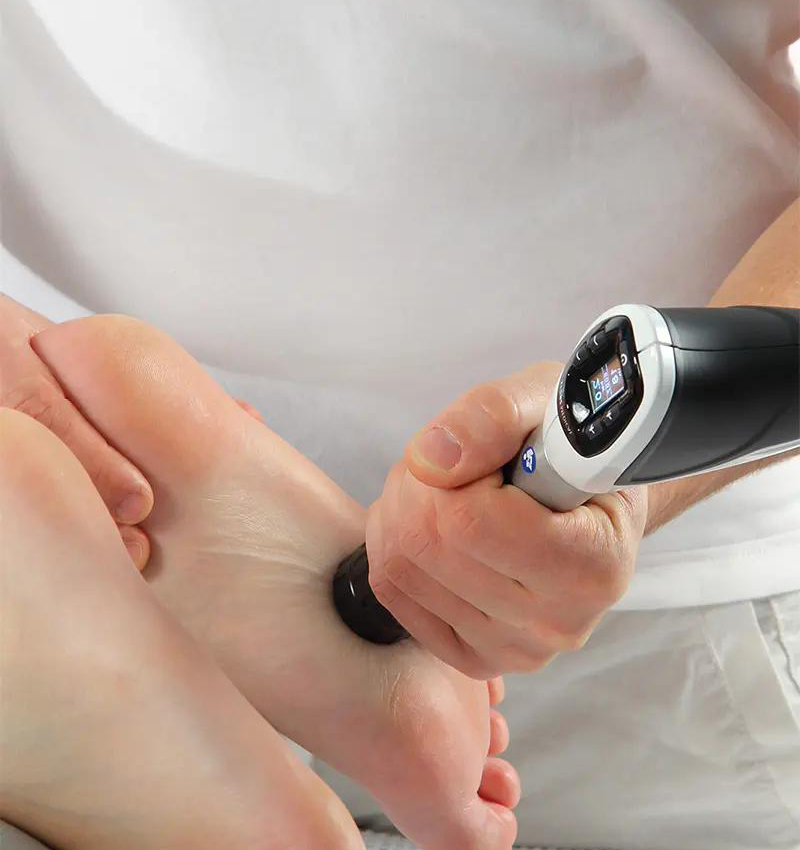
If conventional ankle and foot care truly worked, why are so many people still avoiding walking long distances, running, standing at work, or going barefoot because of persistent pain, stiffness, or instability?
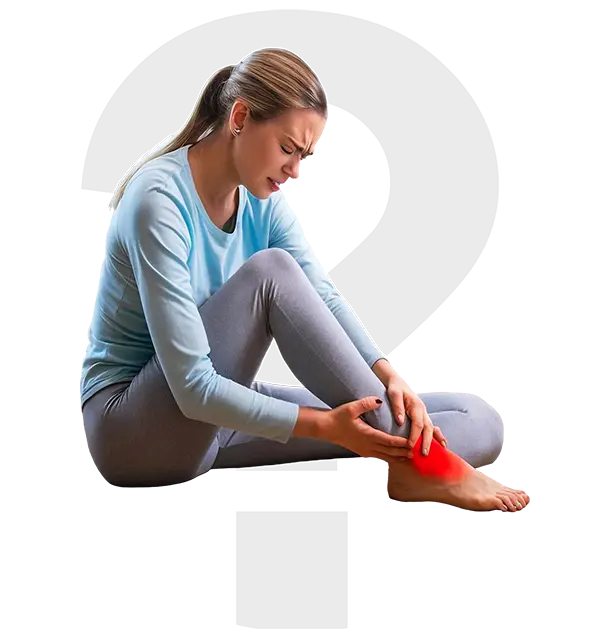
Underlying Issues Persist
If rest, ice, braces, orthotics, calf stretches, generic strengthening, taping, and occasional manual therapy were enough, why do symptoms keep returning when you increase steps, walk on uneven ground, stand longer, or try to run again?
Beyond Heel Spurs
If imaging shows similar heel spurs, mild joint wear, or “old sprains” in many people, why can one person walk and run comfortably while another struggles to get through a work shift or a short walk?
Surface Fixes Fail
Are cortisone injections, anti-inflammatories, or quick procedures truly restoring tendon, fascia, and joint biology, or mostly muting pain while underlying load behavior and tissue stress remain the same?
Complete System Reset
Can any recovery plan that doesn’t address hip–knee–foot alignment, tendon capacity, fascia, tissue degeneration, and plantar load, nerve behavior, balance, and walking mechanics really create durable, long-term change?
If your body is doing the healing, shouldn’t your recovery plan support tissue healing in the ankle and foot joints, encourage tendon and fascia health, calm sensitized nerves, and rebalance load from hip to toes, not just treat one sore spot in isolation?
The ankle and foot work as one connected movement system, not as separate parts. Pain can start after rolling the ankle, sudden strain, long hours standing, intense training, or surgery. But lingering or recurring pain often continues because of hidden stress coming from connected areas like hip control, knee alignment, calf and foot-muscle cooperation, ligament and fascia tension, nerve sensitivity, and how pressure is shared when walking or running.
When inflammation, stiffness, or muscle guarding stay active too long, circulation drops, fascia glide becomes limited, and nerves stay on high alert, making even simple steps feel painful or uncertain. Most traditional rehab treats one layer at a time, icing, bracing, stretching, rolling, manual therapy, or routine exercises, which may help briefly or in minor injury cases, but pain that keeps returning often means the deeper stress triggers were never fully reset together as one system, early on or in the right order.
Modern regenerative physical therapy shows that better recovery happens when healing biology and movement coordination are restored together:
Microcirculation improves, and swelling behavior calms
Tendons, ligaments, and fascia remodel and become more load-tolerant
Nerves glide and signal more quietly rather than firing at every step
Hip–knee–ankle–foot mechanics share stress in a more balanced way
Balance, proprioception, and landing mechanics improve
Standing tolerance, step count, walking speed, and sport capacity grow steadily
The S.H.I.V.A. Method was designed to add that missing layer-linked healing support, guiding the body out of pain and protection loops and back into calmer tissue behavior, smoother movement, and natural recovery progression.
At Shiva Physical Therapy, we know traditional care can be helpful, especially at the beginning of an injury. But many people need more than that to walk, stand, and move with lasting confidence. That’s why we use the S.H.I.V.A. Method as an additional, body-led recovery pathway that works with traditional treatment, not instead of it.re tissue health, optimize spine–pelvis–hip mechanics, reduce nerve irritation, and rebuild efficient, confident movement.
 Focuses on the painful ankle or foot area (e.g., “plantar fasciitis,” “ankle sprain”) in isolation
Uses rest, bracing, orthotics, ice/heat, Manual therapy, massage, dry needling, taping, and generic strengthening
Progresses exercise and activity mainly by time or protocol
May rely on repeated injections, long-term orthotic dependence, or passive tools for symptom control
Best for simple, early-stage ankle/foot issues
Focuses on the painful ankle or foot area (e.g., “plantar fasciitis,” “ankle sprain”) in isolation
Uses rest, bracing, orthotics, ice/heat, Manual therapy, massage, dry needling, taping, and generic strengthening
Progresses exercise and activity mainly by time or protocol
May rely on repeated injections, long-term orthotic dependence, or passive tools for symptom control
Best for simple, early-stage ankle/foot issues
 Evaluates the entire hip–knee–ankle–foot chain, including joint mechanics, tendon and fascia health, nerve pathways, balance, and gait/load behavior
Enhances care with precision regenerative modalities and non-invasive neuromodulation that improve circulation, nerve behavior, fascia glide, and tissue repair
Progresses mobility, stability, tendon capacity, and gait loading in a graded, biology-paced sequence aligned with how your tissues and nervous system are responding
Focuses on restoring natural load-sharing, tendon and fascia resilience, and nerve calmness to reduce dependence on medications, injections, or permanent bracing whenever possible
Ideal for stubborn, recurring, or complex ankle & foot cases needing deeper system-level recalibration and regenerative support
Evaluates the entire hip–knee–ankle–foot chain, including joint mechanics, tendon and fascia health, nerve pathways, balance, and gait/load behavior
Enhances care with precision regenerative modalities and non-invasive neuromodulation that improve circulation, nerve behavior, fascia glide, and tissue repair
Progresses mobility, stability, tendon capacity, and gait loading in a graded, biology-paced sequence aligned with how your tissues and nervous system are responding
Focuses on restoring natural load-sharing, tendon and fascia resilience, and nerve calmness to reduce dependence on medications, injections, or permanent bracing whenever possible
Ideal for stubborn, recurring, or complex ankle & foot cases needing deeper system-level recalibration and regenerative support

We don’t just strengthen your calves or “treat your plantar fascia” and hope the pain disappears. We reset the systems that support ankle and foot health, tissue healing, load distribution, joint mechanics, fascia behavior, nerve calmness, balance, and whole-leg coordination so your feet can do their job with less stress and more resilience.
Every plan is individualized and matched to your biology, your triggers, and your phase of healing.
Regenerative physiology
Neuro-modulation techniques
Fascia science applications
Autonomic balancing protocols
Personalized movement retraining
Instead of generic routines, we build a phased plan that matches your sensitivity, flare patterns, and lifestyle demands.

Choosing Shiva Physical Therapy means stepping into a smarter, body-paced ankle & foot recovery plan designed to restore comfort, stability, and long-term confidence, not just manage symptoms.
When you begin with this model, you can expect:
It’s a regenerative, whole-system recovery model designed to help your upper
and lower back heal from within naturally and sustainably.

Call Shiva Physical Therapy today and discover a smarter, regenerative approach that treats the root cause, not just the symptoms.
 Contact Us Today
 Same-day Appointment
 No referral needed