CranioSacral Therapy (CST) is a gentle, non-invasive manual therapy rooted in osteopathic medicine that uses light touch to evaluate and address restrictions in the craniosacral system. The craniosacral system includes the membranes (meninges), fascia, cerebrospinal fluid, and bony structures surrounding the brain and spinal cord, extending from the cranium to the sacrum.
Developed from the osteopathic cranial concepts pioneered by William Garner Sutherland, DO, and later systematized by John E. Upledger, DO, CranioSacral Therapy works with the body's inherent rhythmic motion to release restrictions in fascial tissue, normalize nervous system function, and support the body's natural self-correcting mechanisms.
At Shiva Physical Therapy, CranioSacral Therapy is applied as a clinical tool within a comprehensive regenerative framework. It is not used as a standalone relaxation technique. It is applied with clinical intention to influence the autonomic nervous system, reduce central sensitization, improve fascial mobility, and create a more favorable biological environment for tissue healing and recovery.
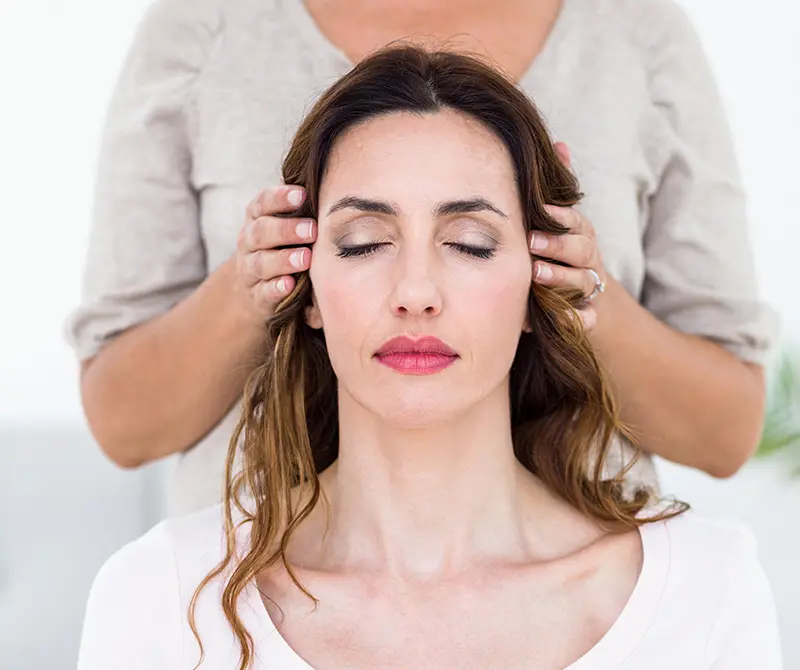
CranioSacral Therapy works by using extremely light manual pressure, typically five grams or less (approximately the weight of a nickel), to detect and release restrictions within the craniosacral system and its associated fascial network. These restrictions can develop from physical trauma, postural strain, emotional stress, surgical scarring, or chronic muscular tension and may influence nervous system regulation, cerebrospinal fluid dynamics, fascial mobility, and pain processing.

Release fascial restrictions in the meningeal and connective tissue layers surrounding the central nervous system
Normalize craniosacral rhythm and cerebrospinal fluid flow
Reduce sympathetic nervous system overactivity and promote parasympathetic tone
Influence dural membrane tension and spinal cord mobility
Modulate pain processing through central and peripheral nervous system pathways
Support vagal nerve tone and autonomic nervous system balance
Research suggests that CST may influence the autonomic nervous system by shifting the body from a state of sympathetic dominance (fight or flight) toward parasympathetic regulation (rest, digest, repair). This autonomic shift is thought to play a role in reducing chronic pain, improving sleep quality, decreasing anxiety, and creating conditions more favorable for tissue recovery.
When applied with clinical precision and integrated within a structured rehabilitation framework, CranioSacral Therapy serves as a powerful nervous system regulation tool that may help prepare the body to respond more effectively to other therapeutic interventions.
Many manual therapies focus primarily on muscles, joints, and biomechanical alignment. CranioSacral Therapy works at a deeper level, targeting the fascial and membranous structures that surround and protect the central nervous system itself.

Directly addresses the fascial and membranous system surrounding the brain and spinal cord
Influences autonomic nervous system regulation rather than just muscular or joint function
Uses minimal force to achieve deep physiological effects through the body's own self-correcting mechanisms
Targets central sensitization and nervous system hypervigilance at their source
Supports emotional and physiological self-regulation, not just structural correction
Can access layers of restriction that higher-force techniques may not effectively reach
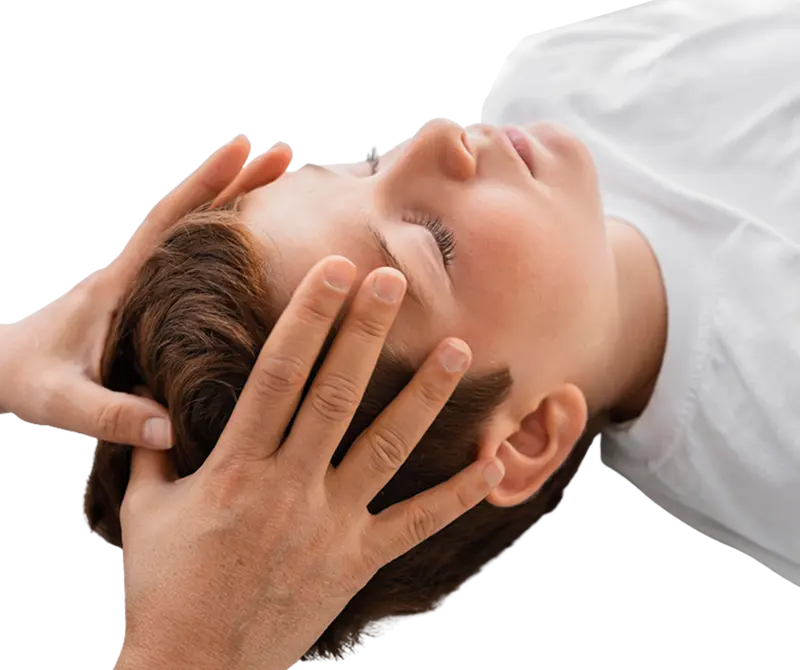
CranioSacral Therapy offers a way to influence the nervous system at its core. By working with the structures that house and protect the brain and spinal cord, CST may help calm the neural environment that drives chronic pain, autonomic dysfunction, and impaired healing, creating conditions where other treatments can be more effective.
Research and clinical observation suggest that CranioSacral Therapy may contribute to several biological and neurophysiological responses:

Reduction in sympathetic nervous system overactivity and promotion of parasympathetic (vagal) tone
Modulation of heart rate variability (HRV), an indicator of autonomic nervous system balance
Reduction of stress hormones including cortisol
Improved cerebrospinal fluid circulation and intracranial fluid dynamics
Release of fascial restrictions and improved connective tissue mobility
Reduction of pro-inflammatory mediators and neuroinflammatory signaling
Modulation of central pain processing and descending inhibitory pathways
Improved vagal nerve function and visceral regulation
Decreased muscle guarding, protective tension, and myofascial holding patterns
Enhanced endorphin and neuropeptide release
These mechanisms may help create a more favorable internal environment for healing when combined with movement-based rehabilitation, progressive loading, and other regenerative interventions.
CranioSacral Therapy is used to support the body's natural regulatory and healing processes by influencing how the nervous system, fascia, and central regulatory systems function. It does not treat disease. It helps restore the conditions under which the body can better self-regulate and recover.
Pain reduction, particularly in chronic and centrally sensitized conditions
Improved sleep quality and reduced insomnia
Decreased anxiety and emotional tension
Reduction in headache frequency and intensity
Improved autonomic nervous system balance
Decreased muscle tension and protective guarding
Enhanced relaxation and stress recovery
Improved tolerance to other therapeutic interventions
Greater sense of body awareness and self-regulation
Each person's response depends on factors such as the nature and chronicity of their condition, nervous system sensitivity, overall health status, and how CST is integrated within their broader treatment plan. Results are individual and not guaranteed.
CranioSacral Therapy encompasses a range of gentle techniques, each designed to address specific areas of restriction or dysfunction within the craniosacral system and its associated fascial network. The techniques selected depend on clinical findings during evaluation.
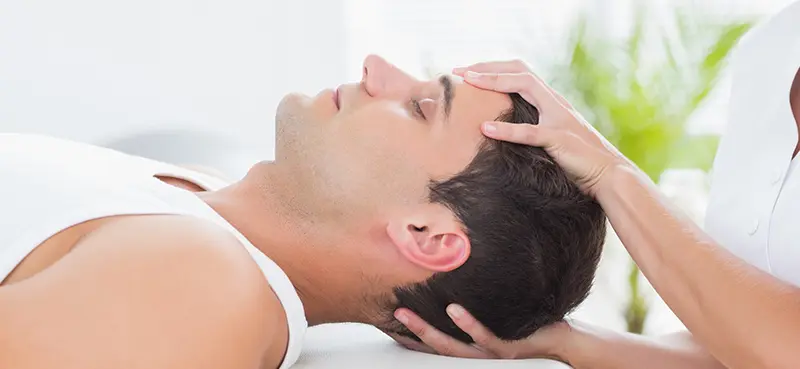
These techniques address the bones of the cranium, including the frontal, parietal, temporal, sphenoid, and occipital bones. Gentle holds and precise directional intent are used to release sutural restrictions, normalize cranial bone mobility, and improve intracranial fluid dynamics. Techniques include parietal lift, frontal lift, sphenoid decompression, and temporal bone techniques.
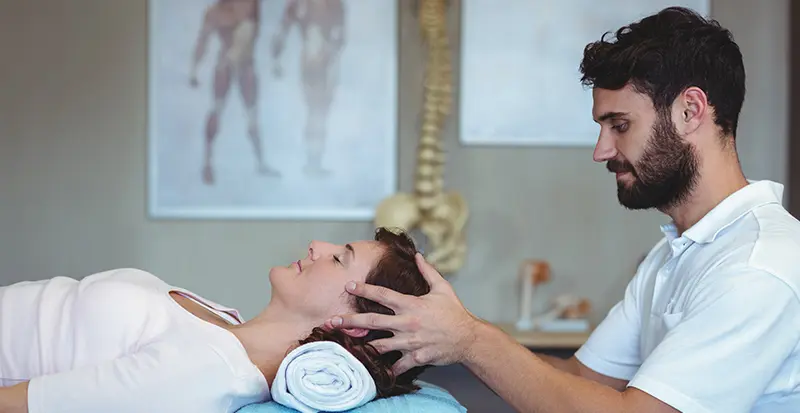
Still point induction involves gently encouraging a brief, intentional pause in the craniosacral rhythm, typically applied at the occiput (CV4 technique) or the feet (EV4 technique). This momentary pause is thought to reset autonomic tone, reduce sympathetic hyperactivity, promote deep parasympathetic relaxation, and support the body's self-correcting mechanisms. Research in fibromyalgia patients has shown that still point techniques may improve pain thresholds and influence heart rate variability.

The dural tube is a continuous membranous sheath that surrounds the brain and spinal cord from the cranium to the sacrum. Restrictions in the dural membrane can influence spinal cord mobility, nerve root tension, and cerebrospinal fluid flow. Dural release techniques use gentle traction and positional holds to restore mobility within this membrane system, potentially reducing nerve irritation and improving spinal fluid dynamics.
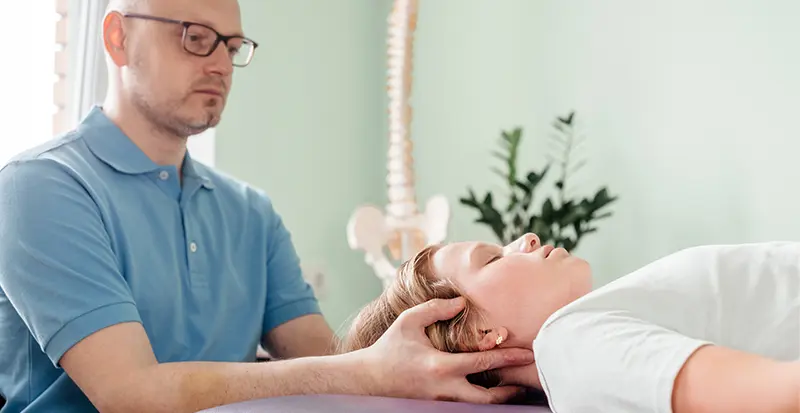
The body contains several transverse fascial planes (diaphragms) that can develop restrictions affecting fluid flow, breathing mechanics, and autonomic regulation. These include the pelvic diaphragm, respiratory diaphragm, thoracic inlet, hyoid region, and tentorium cerebelli. Sequential release of these fascial diaphragms may improve overall fascial continuity, lymphatic flow, and autonomic nervous system balance.
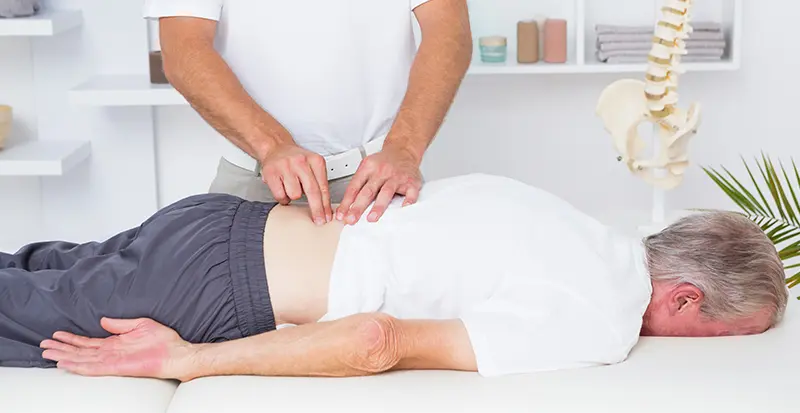
The sacrum forms the inferior anchor of the craniosacral system. Restrictions at the sacrum, sacroiliac joints, or lumbosacral junction can influence the entire dural membrane system and craniosacral rhythm. Gentle decompression and release techniques at the sacrum may help normalize craniosacral mechanics, reduce low back and pelvic pain, and support nervous system regulation from the base of the spine.
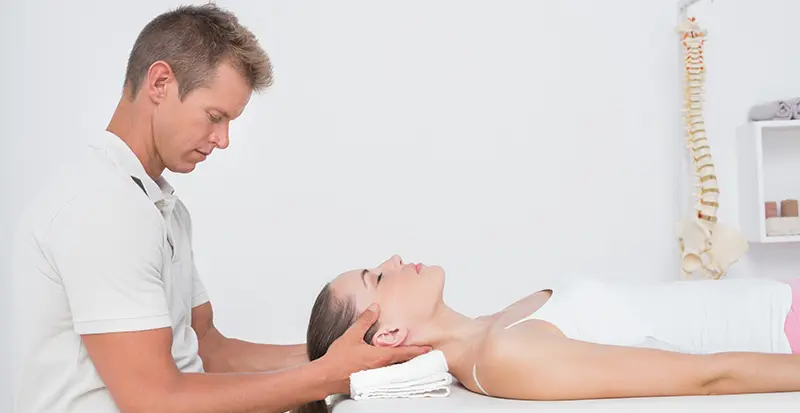
Specific intraoral and extraoral techniques address compression and dysfunction at the temporomandibular joint and the temporal bones. TMJ restrictions frequently contribute to headaches, facial pain, neck tension, and autonomic dysfunction. CST techniques for the TMJ may help decompress joint structures, release associated fascial restrictions, and normalize trigeminal and vagal nerve function.
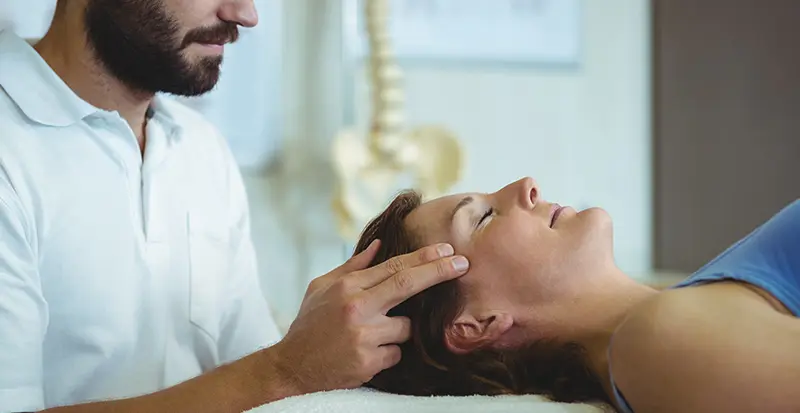
In some cases, fascial and craniosacral restrictions may be associated with retained physical or emotional tension from past trauma, injury, or chronic stress. SomatoEmotional Release is an advanced component of CST that supports the body in processing and releasing these stored patterns. This technique works with the body's own inherent movements and tissue memory, guided by the clinician's trained palpation, to facilitate the release of deeply held tension patterns that may be contributing to persistent pain or dysfunction.
Not every patient requires all techniques. The choice of technique depends on individual evaluation findings, clinical presentation, treatment goals, and the phase of recovery within the overall treatment plan.
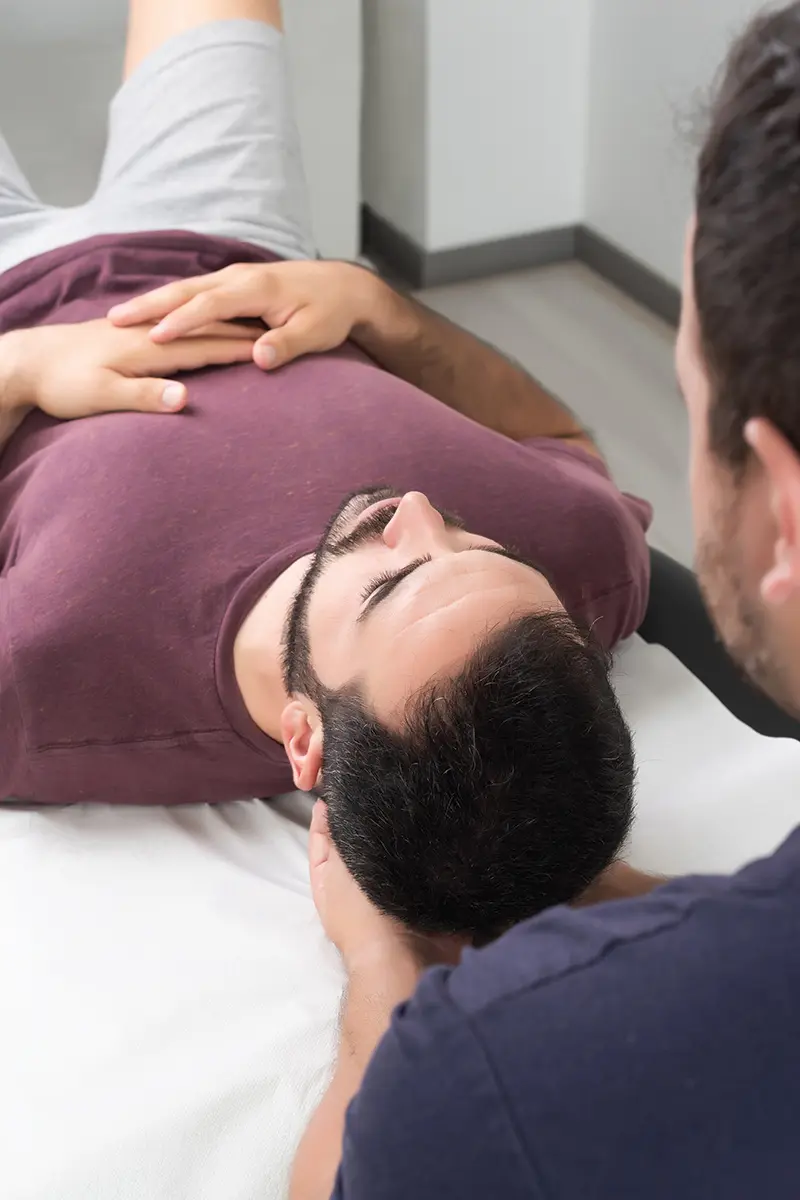
CranioSacral Therapy is commonly considered when clinical evaluation suggests that nervous system dysregulation, fascial restriction, or central sensitization may be contributing to the patient's symptoms. It is particularly valuable for complex conditions where the autonomic nervous system plays a significant role.

Chronic neck and back pain
Headaches and migraines
Temporomandibular joint (TMJ) disorders
Fibromyalgia and widespread pain syndromes
Chronic fatigue
Post-concussion syndrome
Whiplash-associated disorders
Centrally sensitized pain conditions
Stress-related musculoskeletal tension
Anxiety and autonomic nervous system dysfunction
Insomnia and sleep disturbances
Pelvic pain and pelvic floor dysfunction
Complex regional pain syndrome (CRPS)
Post-surgical recovery with persistent pain or stiffness
Neuropathic pain conditions
Myofascial pain syndromes
Not every condition or patient requires CranioSacral Therapy. A thorough clinical assessment helps determine whether it is appropriate as part of an individual's treatment plan.
CranioSacral Therapy is not applied routinely or universally to every patient. Within The S.H.I.V.A. Method, its use is determined by clinical evaluation, individual presentation, and the specific biological and neurological needs identified during assessment.
Our approach focuses on when to apply CST, which techniques to use, and when other interventions are more appropriate. This includes decisions such as:
Because nervous system regulation changes throughout recovery, timing matters. Applying CST at the right phase can help calm the system enough for the body to respond to progressive loading, manual therapy, and regenerative technologies. Applied at the wrong time, or without clinical reasoning, it may not address the primary driver of symptoms.
Within The S.H.I.V.A. Method, CranioSacral Therapy serves as one component of a comprehensive strategy that also addresses:
When used appropriately, CranioSacral Therapy can be a valuable contributor to regenerative physical therapy (RPT) by helping normalize the neurological and fascial environment that influences how tissue heals, how pain is processed, and how the body responds to rehabilitation.
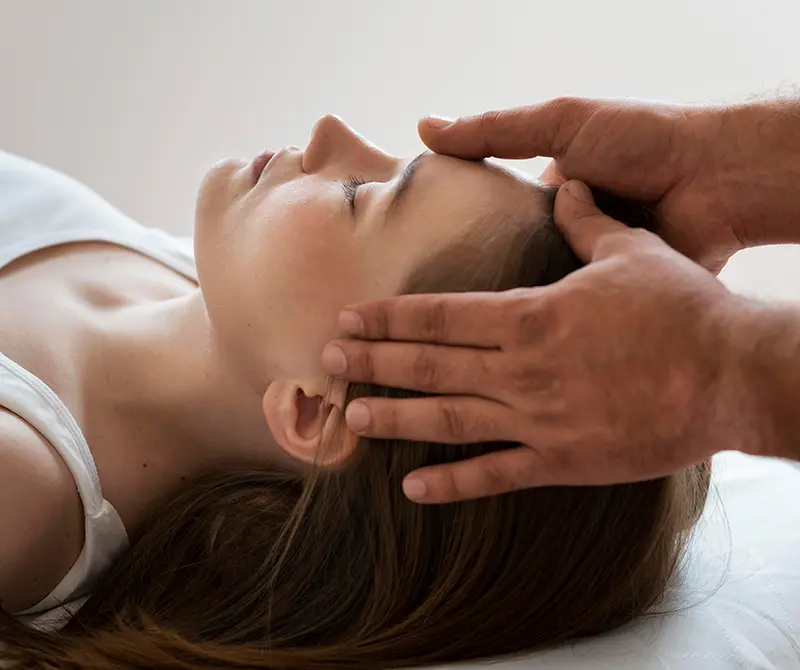
CranioSacral Therapy sessions are quiet, focused, and designed to support deep nervous system regulation and fascial release. The experience is very different from higher-force manual techniques.
CranioSacral techniques are typically applied for 15 to 30 minutes as part of a comprehensive treatment session, depending on clinical needs and the overall treatment plan.
Most patients receive CST 1 to 2 times per week as part of a structured rehabilitation plan. Frequency is adjusted based on individual response and the phase of recovery.
You may feel very gentle pressure, subtle warmth, a sense of softening or releasing, or deep relaxation. Some patients experience a pulsing sensation.
A typical course of CranioSacral Therapy ranges from 4 to 12 sessions, depending on the nature, complexity, and chronicity of the condition.
No special preparation is required. You remain fully clothed. Comfortable clothing that allows access to the head, neck, and sacral area is recommended.
There is no required downtime. Most patients feel deeply relaxed after treatment. Some may experience mild fatigue or increased body awareness.
Some patients notice improvements in pain, sleep quality, or overall tension within the first few sessions, with continued progress as treatment is integrated with other components of their rehabilitation plan.
CranioSacral Therapy is considered when clinical evaluation suggests that nervous system dysregulation, fascial restriction, or central sensitization may be contributing to the patient's pain, dysfunction, or impaired recovery.
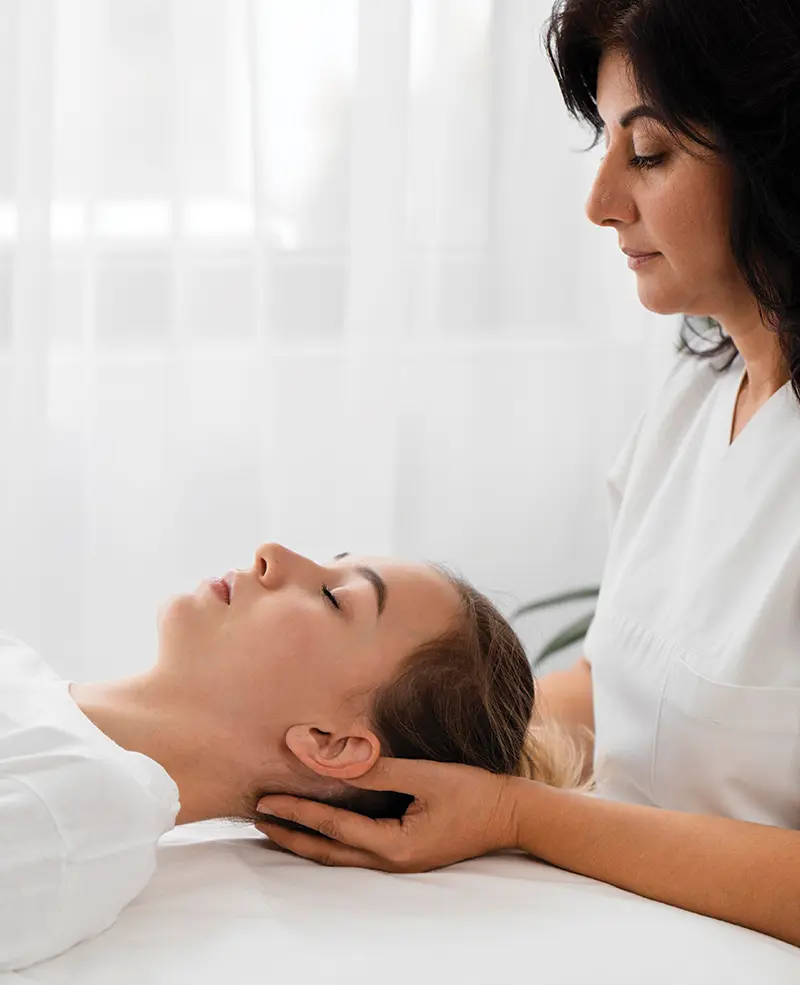
CranioSacral Therapy may be appropriate for individuals who:
Have chronic pain that has not responded fully to conventional rehabilitation
Present with signs of autonomic nervous system dysfunction or sympathetic dominance
Experience stress-related muscle tension, sleep disturbance, or anxiety alongside their physical symptoms
Have headaches, migraines, or TMJ dysfunction with a neurological or fascial component
Show signs of central sensitization or widespread pain sensitivity
Are recovering from concussion, whiplash, or trauma with persistent neurological symptoms
Have high tissue irritability or sensitivity that limits tolerance to higher-force interventions
Need nervous system down-regulation before they can respond to progressive loading and strengthening
Clinical screening determines suitability. The decision to use CranioSacral Therapy is always based on individual findings, overall clinical reasoning, and the patient's specific treatment goals.
A 2019 systematic review and meta-analysis published in BMC Musculoskeletal Disorders, which included ten randomized controlled trials involving 681 patients, found significant effects of CST on pain intensity and functional disability in chronic pain conditions including neck pain, back pain, migraine, fibromyalgia, epicondylitis, and pelvic girdle pain, with effects lasting up to six months. Additional RCTs have demonstrated positive effects on heart rate variability, sleep quality, anxiety, and tender point sensitivity in fibromyalgia patients. The evidence base is growing, though more high-quality research is still needed. At Shiva Physical Therapy, CST is applied based on the best available evidence and clinical reasoning, not as an alternative to evidence-based care, but as a component of it.
Craniosacral therapy for chronic pain: a systematic review and meta-analysis of randomized controlled trials.
Read Full Study →Is craniosacral therapy effective? A systematic review and meta-analysis.
Read Full Study →Effectiveness of osteopathic craniosacral techniques: a meta-analysis.
Read Full Study →Clinical effectiveness of craniosacral therapy in patients with headache disorders: a systematic review and meta-analysis.
Read Full Study →Effectiveness of craniosacral therapy in the human suboccipital region on hamstring muscle: a meta-analysis based on current evidence.
Read Full Study →A randomized controlled trial investigating the effects of craniosacral therapy on pain and heart rate variability in fibromyalgia patients.
Read Full Study →Influence of craniosacral therapy on anxiety, depression and quality of life in patients with fibromyalgia.
Read Full Study →Effectiveness of craniosacral therapy, Bowen therapy, static touch and standard exercise program on sleep quality in fibromyalgia syndrome: a randomized controlled trial.
Read Full Study →A systematic review to evaluate the clinical benefits of craniosacral therapy.
Read Full Study →Effectiveness of osteopathic manipulative treatment versus osteopathy in the cranial field in temporomandibular disorders: a pilot study.
Read Full Study →