Flossing is a term used in physical therapy to describe two related but distinct techniques that share a common goal: restoring normal gliding and mobility between structures that have become restricted.
Tissue flossing uses a wide elastic compression band wrapped around a joint or muscle group to create temporary compression and fascial shearing during active movement. Nerve flossing, also known as neurodynamic mobilization or neural gliding, uses specific movement sequences to restore the normal sliding and gliding of peripheral nerves relative to their surrounding tissues. Both techniques address the fundamental problem of restricted tissue mobility, whether in the myofascial or nervous systems.
At Shiva Physical Therapy, both tissue flossing and nerve flossing are integrated into The S.H.I.V.A. Method as targeted interventions to restore normal movement mechanics. We apply these techniques based on clinical examination findings to address the specific tissue or neural structure contributing to each patient's pain and movement limitation.
Tissue flossing and nerve flossing work through different but complementary physiological mechanisms. Understanding how each technique produces its clinical effects helps explain why both may be used within a single treatment session when examination findings indicate restrictions in both the myofascial and neural systems.
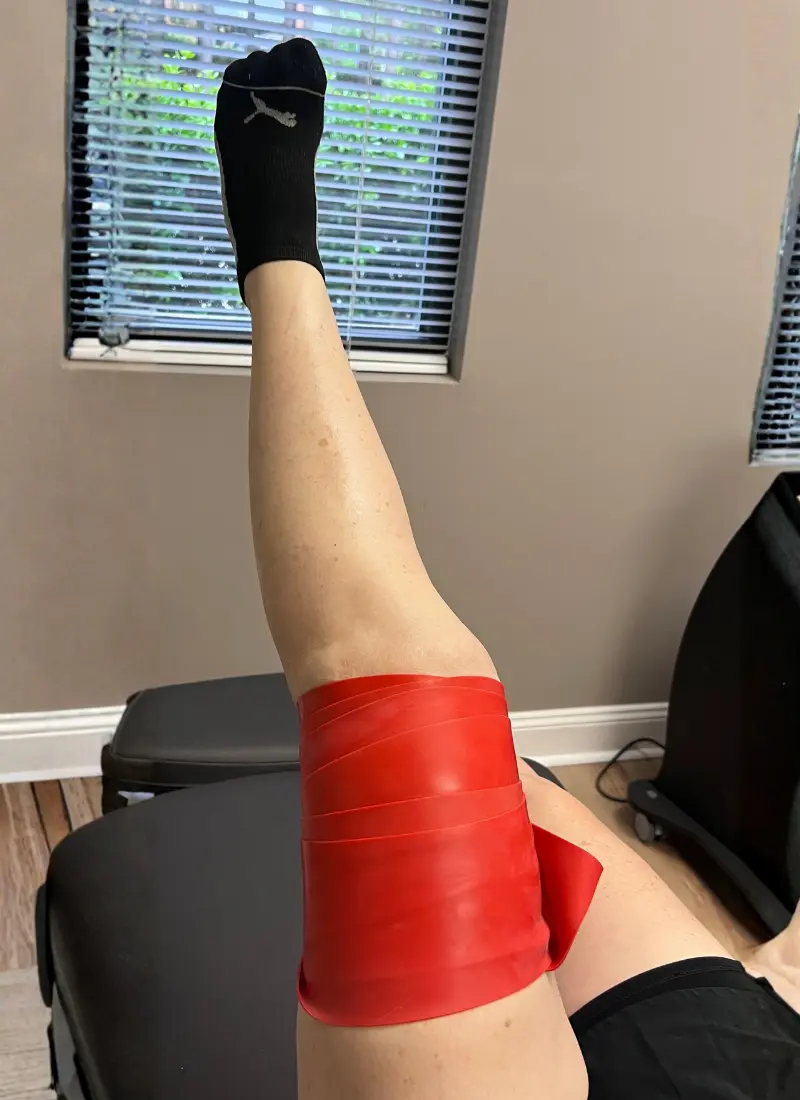
Tissue Flossing MechanismsTissue flossing involves wrapping an elastic latex or rubber band around a joint or muscle region at a specific stretch length, typically with 50% overlap between wraps, followed by active movement of the wrapped area through its available range. A 2024 theoretical framework published in Apunts Sports Medicine proposed five primary mechanisms through which tissue flossing produces its effects:

Fascial Glide: The combination of external compression and active movement creates shearing forces between fascial layers, deforming adhesion points, restoring myofascial sliding capacity, and improving the gliding potential of the fascia
Sponge Effect: Compression temporarily restricts fluid within the tissue, and upon band removal, a reactive hyperemia occurs as blood and interstitial fluid rush back into the area, flushing metabolic waste products and delivering fresh nutrients
Soft Tissue Ischemia and Reperfusion: The partial vascular occlusion created by the band produces ischemic preconditioning effects, and upon release, the reperfusion of blood stimulates physiological responses including altered hormonal activity and enhanced neuromuscular function
Pain Gate Mechanism: Compression activates large-diameter mechanoreceptors (A-beta fibers), which inhibit nociceptive transmission at the spinal cord level through the gate control theory of pain, providing immediate analgesic effects
Joint Effect: When applied across a joint, the band provides proprioceptive input that enhances joint position sense and neuromuscular control, while the compression assists in reducing periarticular swelling
Nerve flossing, or neurodynamic mobilization, involves specific movement sequences designed to restore the normal sliding and gliding of peripheral nerves relative to the muscles, tendons, fascia, and bony tunnels through which they pass. Peripheral nerves must be able to slide, stretch, and compress during normal limb movement. When nerve mobility becomes restricted due to inflammation, adhesion, edema, or mechanical compression, the nerve becomes mechanosensitive and produces pain, numbness, tingling, or weakness along its distribution.
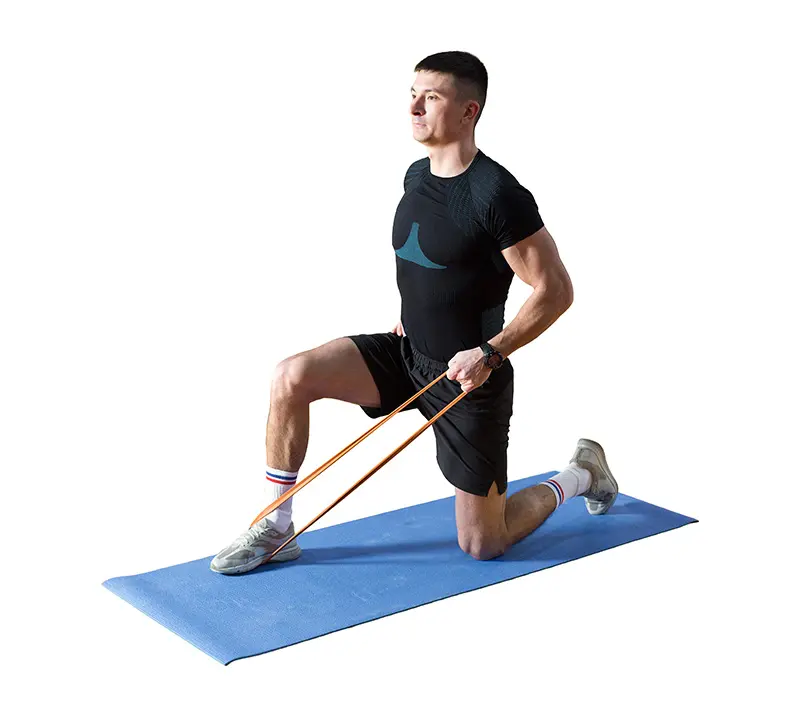
Two primary neurodynamic techniques are used:Sliders (Nerve Gliding): Multiple joints are moved simultaneously to alternate tension and slack on opposing ends of a nerve tract, creating a back-and-forth gliding motion that maximizes neural excursion while keeping overall tension relatively low. This is the most commonly used and best-tolerated technique for irritable nerve conditions
Tensioners: Multiple joints are moved to increase tension on a nerve tract from both ends simultaneously, dynamically loading the nerve between positions of low and high tension. Tensioners are used in less irritable presentations and later stages of rehabilitation when the nerve can tolerate greater mechanical load
Flossing techniques, both tissue-based and nerve-based, differ from conventional stretching and massage in several important ways. These differences make flossing a particularly effective complement to other manual therapy and exercise interventions, especially when standard approaches have produced limited improvement.
Tissue flossing differs from static stretching, foam rolling, and traditional soft tissue mobilization because it combines external compression with active movement, creating multidirectional shearing forces that cannot be replicated by any of these techniques individually. The temporary vascular occlusion and subsequent reperfusion produce a unique physiological response that goes beyond the purely mechanical effects of stretching or massage. Preliminary research has suggested that tissue flossing may produce similar outcomes to instrument-assisted soft tissue mobilization and foam rolling for range of motion, but through fundamentally different mechanisms.
Nerve flossing differs from conventional stretching because it specifically targets the neural structures rather than the muscles. A patient with sciatica, for example, may have full hamstring flexibility but severely restricted sciatic nerve mobility. Traditional hamstring stretching would not address the neural restriction and could in fact worsen the patient's symptoms by placing additional tension on an already irritated nerve. Nerve flossing addresses the specific tissue that is restricted while carefully controlling the amount of mechanical load applied to the nerve, using slider techniques to maximize gliding with minimal tension or tensioner techniques to progressively load the nerve when it is ready.
Tissue flossing and nerve flossing each produce specific clinical benefits supported by research evidence. When used together based on examination findings, they address complementary aspects of the movement system to produce broader clinical improvement.
Improved joint range of motion, particularly at the ankle, knee, hip, and shoulder
Reduced muscle stiffness and improved myofascial tissue compliance
Enhanced muscle strength and power output following application
Improved balance and proprioceptive function
Reduction in musculoskeletal pain intensity
Improved landing stabilization and athletic performance measures
Potential reduction in delayed-onset muscle soreness when applied post-exercise

Reduction in neuropathic pain including numbness, tingling, and burning sensations
Improved neural tissue mobility and decreased nerve mechanosensitivity
Improved range of motion limited by neural tension
Reduction in referred pain patterns along nerve distributions
Improved functional mobility in activities previously limited by neural symptoms
Decreased intraneural edema and improved intraneural fluid dispersion
Improved nerve conduction velocity in entrapment neuropathies
Several specific flossing techniques are available for both tissue and nerve applications. The clinician selects the appropriate technique based on the clinical examination findings, the tissue or neural structure involved, the irritability of the condition, and the patient's functional goals.
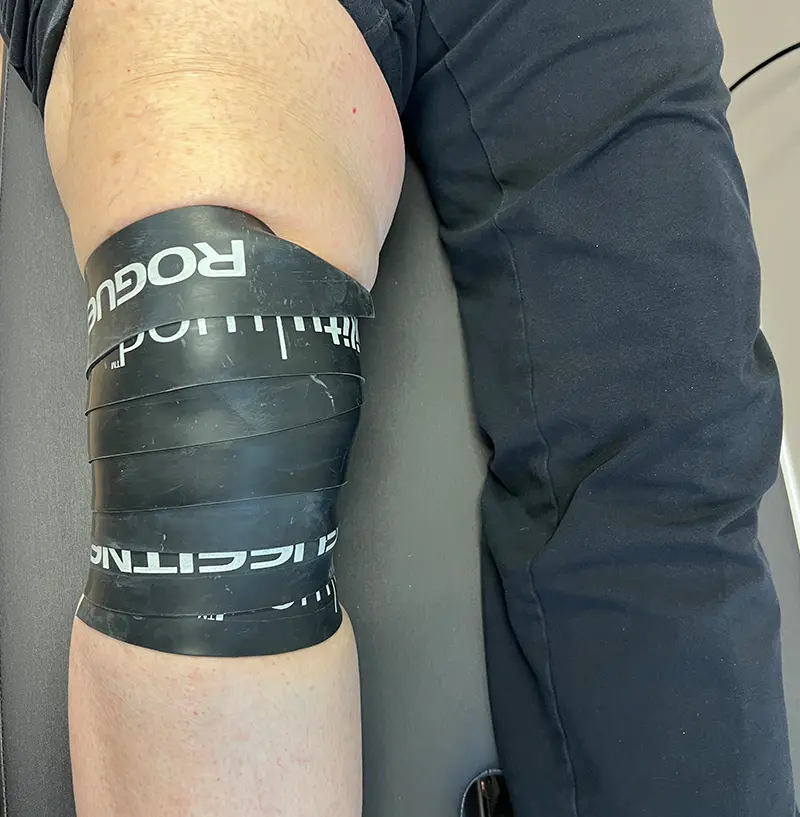
An elastic compression band is wrapped around a peripheral joint such as the ankle, knee, or shoulder at approximately 50% overlap with moderate tension. The patient then performs active range of motion exercises through the full available range while the band is in place. The band remains applied for one to three minutes before removal. This technique is most commonly used to address joint range of motion restrictions and periarticular stiffness.
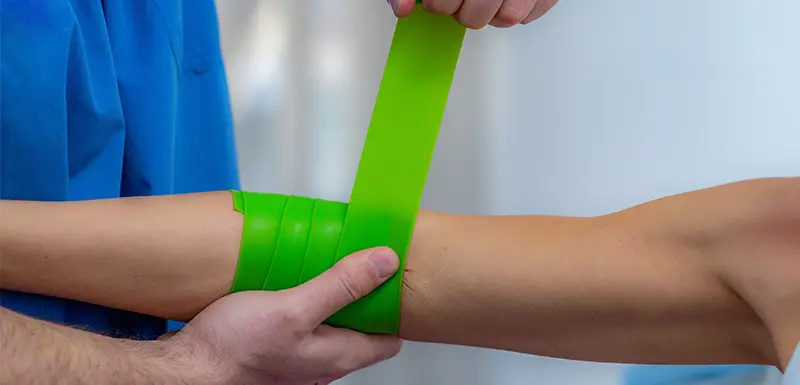
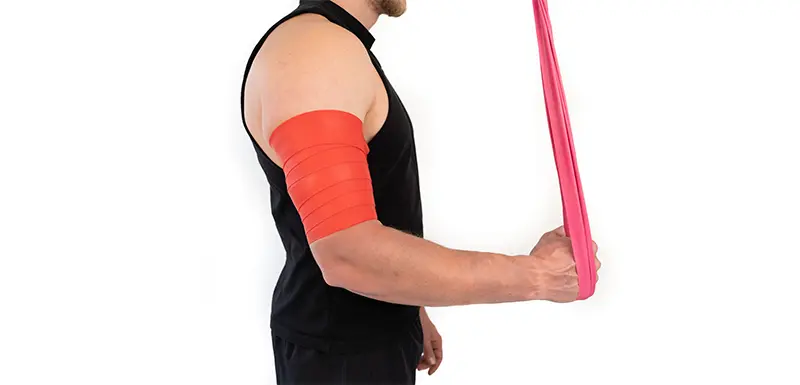
The compression band is applied directly over a muscle group such as the quadriceps, hamstrings, calf, or upper arm rather than across a joint. Active contractions and stretching movements are performed during the application period. This technique targets myofascial restriction, tissue stiffness, and altered fascial gliding within the muscle compartment.
The band is applied in a pattern that encompasses both the joint and the adjacent soft tissue, combining the effects of fascial shearing, joint compression, and muscle tissue mobilization in a single application. This approach is used when examination findings indicate restrictions in both structures.
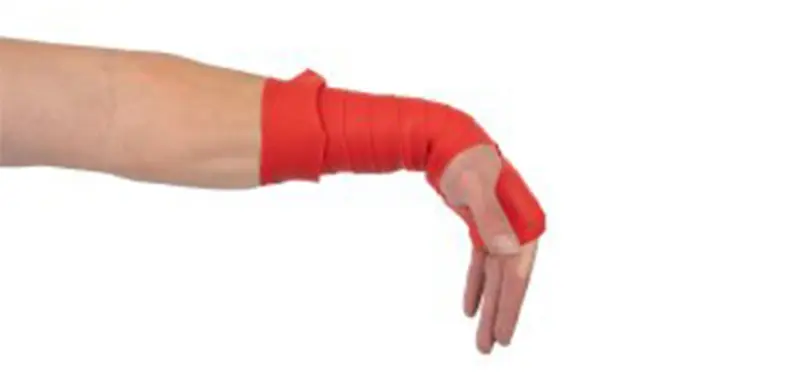

A sequence of hand, wrist, elbow, and shoulder positions that progressively slides the median nerve through the carpal tunnel and along the upper extremity. Used for carpal tunnel syndrome, pronator syndrome, and anterior interosseous nerve irritation. The slider technique alternates wrist extension with elbow flexion, moving the nerve without increasing overall tension.
Performed using combinations of hip flexion, knee extension, and ankle dorsiflexion to slide the sciatic nerve and its branches through the posterior thigh, popliteal fossa, and lower leg. Slump-based sliders alternate spinal flexion with knee extension to create a gliding effect. Used for sciatica, lumbar radiculopathy, piriformis syndrome, and tarsal tunnel syndrome.
Specific upper extremity movement sequences that target the radial nerve (lateral epicondylalgia, radial tunnel syndrome) or the ulnar nerve (cubital tunnel syndrome, Guyon canal compression). Each technique uses joint positions that selectively load or unload the targeted nerve while sliding it through its anatomical pathway.
Cervical lateral glide techniques applied by the clinician to mobilize the cervical nerve roots and brachial plexus. This passive technique involves a sustained lateral translation of the cervical spine away from the symptomatic side, reducing mechanical compression on the affected neural structures. This technique has Level A evidence for reducing pain in nerve-related neck and arm pain.
Tissue flossing and nerve flossing are applicable across a broad range of musculoskeletal and neuromuscular conditions. The specific technique selected depends on whether the clinical examination identifies a myofascial restriction, a neural mobility deficit, or both. Conditions commonly treated include:

Ankle stiffness and limited dorsiflexion range of motion following sprain or immobilization
Knee stiffness and limited range of motion following surgery or injury
Shoulder stiffness and restricted overhead mobility
Carpal tunnel syndrome and median nerve entrapment
Sciatica and lumbar radiculopathy with radiating lower extremity symptoms
Cervical radiculopathy with radiating arm pain, numbness, or tingling
Thoracic outlet syndrome with upper extremity neural symptoms
Lateral epicondylalgia (tennis elbow) with radial nerve involvement
Cubital tunnel syndrome and ulnar nerve entrapment at the elbow
Piriformis syndrome with sciatic nerve irritation
Post-surgical adhesions affecting joint or neural tissue mobility
Plantar heel pain and tarsal tunnel syndrome
Myofascial tightness and reduced tissue compliance in athletic populations
Delayed-onset muscle soreness in active and athletic individuals
Within The S.H.I.V.A. Method, tissue flossing and nerve flossing serve as targeted mobility interventions that address specific barriers to movement identified during the clinical examination. They are used strategically at key points in the treatment process to create windows of improved mobility and reduced pain that enable more effective exercise and functional training.
Flossing techniques are typically indicated in the following clinical scenarios:
Both techniques are integrated with therapeutic exercise. Tissue flossing creates immediate improvements in range of motion and tissue compliance that are then reinforced through active exercise within the new range. Nerve flossing restores neural mobility that enables the patient to perform functional movements without neural provocation, and patients are taught self-directed nerve gliding exercises as part of their home program to maintain and build upon the gains achieved in the clinic. The goal, as with all components of The S.H.I.V.A. Method, is to move the patient toward independent self-management as quickly as possible.
Understanding what happens during a flossing session can help you feel more comfortable with both techniques. Each application is brief, targeted, and performed with ongoing communication between the clinician and the patient to ensure safety and comfort.
Your clinician wraps an elastic compression band around the targeted area with firm, comfortable tension. You perform active movements for 1 to 3 minutes while the band is in place. Once removed, you will often notice improved mobility and increased blood flow to the area.
Your clinician guides you through slow, rhythmic movements that slide the targeted nerve through its natural pathway. You may feel a mild pulling or stretching sensation that should never worsen your symptoms. The technique is modified immediately if any discomfort arises.
Tissue flossing is performed 1 to 2times per week in the clinic, lasting two to three minutes per region. Nerve flossing is performed in the clinic and prescribed as a home exercise 2 to 3 times daily. Clinician-directed neural mobilization is performed 1 to 2 times per week based on your treatment goals.
Tissue flossing and nerve flossing are appropriate for a wide range of patients, from post-surgical individuals seeking to restore mobility to athletes looking to optimize performance. Because both techniques can be graded in intensity and modified based on patient tolerance, they are adaptable across different levels of acuity and functional demand.
Flossing techniques may be particularly appropriate for individuals who:
Have joint stiffness or limited range of motion that has not fully responded to stretching or mobilization alone
Experience numbness, tingling, radiating pain, or other neural symptoms in the arms or legs
Have been diagnosed with carpal tunnel syndrome, sciatica, radiculopathy, or other peripheral nerve conditions
Are recovering from surgery with residual stiffness, adhesion, or neural restriction
Are athletes seeking to improve pre-activity mobility and neuromuscular readiness
Have chronic myofascial tightness or tissue compliance deficits
Your clinician will perform a thorough screening examination to identify any contraindications before applying either technique. If any precautions exist, the technique will be modified or an alternative intervention will be selected.
Below are answers to some of the most common questions patients have about tissue flossing and nerve flossing, including what the techniques involve, how they feel, and what the evidence supports.
You will feel a firm compression around the wrapped area, similar to a snug bandage. During the active movements, you may notice the compression shifting across the tissue. When the band is removed, most patients report an immediate sensation of warmth and increased blood flow, often accompanied by a visible flushing of the skin.
Effects of tissue flossing on the healthy and impaired musculoskeletal system: a scoping review.
Read Full StudyTissue flossing: a commentary on clinical practice recommendations.
Read Full StudyChanges of ankle dorsiflexion using compression tissue flossing: a systematic review and meta-analysis.
Read Full StudyEffects of tissue flossing on athletic performance measures: a systematic review.
Read Full StudyThe potential mechanisms of tissue flossing with Flossband application around the joints or soft tissues: a theoretical framework.
Read Full StudyThe effectiveness of neural mobilization for neuromusculoskeletal conditions: a systematic review and meta-analysis.
Read Full StudyNeural mobilization for reducing pain and disability in patients with lumbar radiculopathy: a systematic review and meta-analysis.
Read Full StudyNeurodynamic techniques in the treatment of mild-to-moderate carpal tunnel syndrome: a systematic review and meta-analysis.
Read Full StudyNeural mobilization in low back and radicular pain: a systematic review.
Read Full StudyEffectiveness of articular and neural mobilization for managing cervical radicular pain: a systematic review with network meta-analysis.
Read Full Study