Class IV Laser Therapy is an advanced form of photobiomodulation (PBM) that uses specific therapeutic light wavelengths to stimulate cellular repair, reduce inflammation, and relieve pain at a deep tissue level. Unlike low-level laser therapy (LLLT), which operates at lower power and is primarily limited to superficial tissues, Class IV lasers deliver high-power red and near-infrared wavelengths (typically in the 660–1064 nm range) that can penetrate several centimeters into muscles, joints, ligaments, nerves, and fascia.
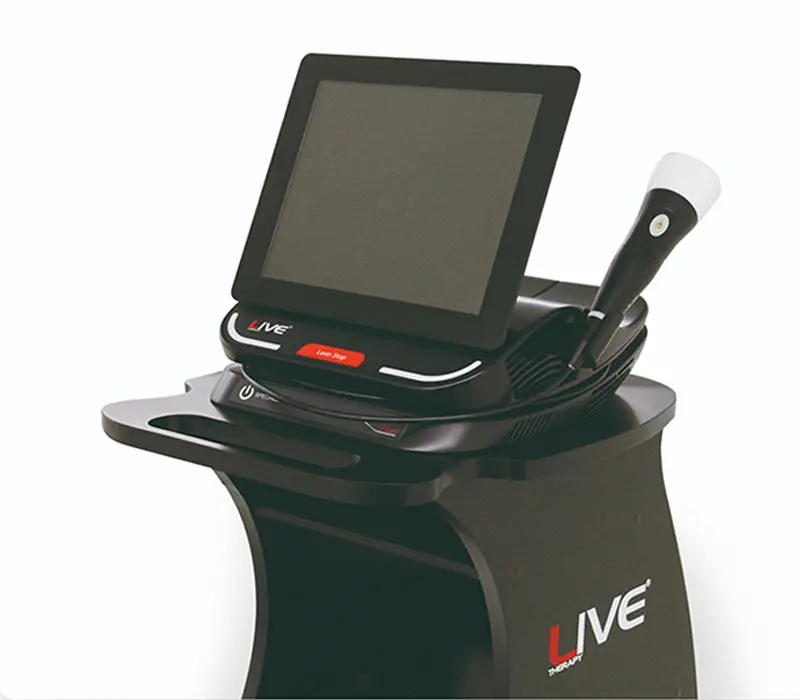
Unlike low-level laser therapy (LLLT) limited to superficial tissues, Class IV lasers deliver high-power red and near-infrared wavelengths (660–1064 nm) that penetrate several centimeters into muscles, joints, ligaments, nerves, and fascia.
Laser photons are absorbed by cellular mitochondria, particularly cytochrome c oxidase, triggering increased ATP production, improved microcirculation, and modulation of inflammatory pathways.
Accelerates tissue healing, reduces swelling, and provides meaningful pain relief without generating tissue damage, excessive heat, or requiring downtime.
These wavelengths are absorbed by cellular mitochondria, particularly cytochrome c oxidase, triggering increased ATP production, improved microcirculation, and modulation of inflammatory pathways. This results in accelerated tissue healing, reduced swelling, and meaningful pain relief without generating tissue damage or excessive heat.
Class IV Laser Therapy is FDA-cleared and supported by decades of clinical research across musculoskeletal, neurological, and post-surgical applications. Treatments are delivered using a handheld device with controlled sweeping or targeted patterns, allowing precise dosing based on tissue depth, condition severity, and patient tolerance. Because it is non-invasive, drug-free, and requires no downtime, Class IV Laser Therapy is widely used in sports medicine, orthopedic rehabilitation, and regenerative physical therapy, making it one of the safest, fastest, and most effective tools for both acute and chronic conditions.
Class IV Laser Therapy utilizes high-powered infrared light, ranging from 660 nm to 1064 nm, to penetrate deeply into tissues and activate cellular repair through a process known as photobiomodulation. Class IV lasers deliver therapeutic light at greater depths and intensities, allowing for broader tissue coverage in shorter treatment sessions.
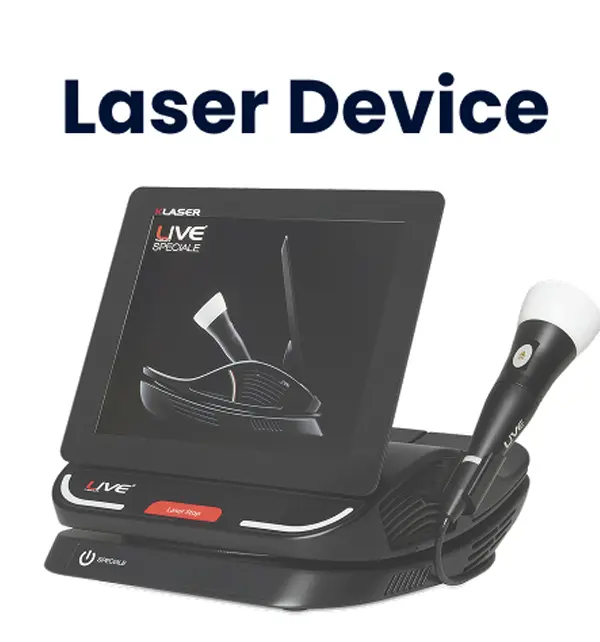


Class IV Laser Therapy is a high-powered, medical-grade form of photobiomodulation (PBM). This advanced light energy initiates key biological effects

Laser photons stimulate mitochondrial cytochrome c oxidase, increasing cellular energy and accelerating regeneration.
Vasodilation and lymphatic stimulation optimize oxygen delivery and waste removal, supporting faster healing.
Reduces pro-inflammatory cytokines like IL-6 and TNF-α while promoting anti-inflammatory mediators for pain and swelling relief.
Helps normalize nerve conduction, reduce sensitivity, and support axonal regeneration for long-term pain modulation.
Activates fibroblasts and collagen production, aiding repair of ligaments, tendons, fascia, and skin.
Uses 660, 800, 905, 970, and 1064 nm wavelengths for optimal tissue penetration and therapeutic effects.
With its powerful combination of deep-tissue reach, precise delivery (via Smart Handpiece with APM), and multi-wavelength versatility (660, 800, 905, 970, 1064 nm), Class IV Laser is one of the safest and most effective tools in regenerative physical therapy, delivering results without heat damage, injections, or downtime.
| Feature | Low-Level Laser Therapy (LLLT / Cold Laser) | Class IV High-Power Laser Therapy |
|---|---|---|
| Laser Classification | Class IIIb (<500 mW) | Class IV (6–50W or higher depending on system) |
| Wavelength Range | Typically 600–850 nm | 660, 800, 905, 970, and 1064 nm (K-Laser) |
| Penetration Depth | 0.5–1 cm (superficial layers) | 4–8 cm (deep tissue structures) |
| Treatment Area Size | Small, spot-focused | Broad coverage, faster throughput |
| Treatment Time | 20–40 minutes per area | 5–10 minutes per area |
| Primary Target Tissues | Skin, fascia, superficial tissues | Muscle, tendon, ligament, joint, nerve |
| Mechanism of Action | Mild photobiomodulation | Strong Strong photobiomodulation + thermal stimulation |
| Best For | Wound care, surface-level pain | Acute injuries, chronic MSK pain, neuropathies |
| Pain Relief Timeline | Gradual, over multiple visits | Often noticeable within 1–2 sessions |
Class IV Laser Therapy works by delivering therapeutic light energy deep into tissues, where it interacts directly with cells to activate the body’s natural healing pathways. Through photobiomodulation, this non-invasive therapy initiates a cascade of biological responses that support tissue repair, inflammation control, and pain modulation without medications or surgery.
Documented Biological Effects Include:
Increases ATP production, supplying cells with the energy required for repair, regeneration, and metabolic activity.
Promotes vasodilation and lymphatic drainage, improving oxygen delivery, nutrient exchange, and removal of inflammatory byproducts.
Stimulates collagen synthesis and remodeling, strengthening connective tissues such as tendons, ligaments, and fascia.
Reduces pro-inflammatory cytokines while supporting signaling pathways that promote inflammation resolution and tissue recovery.
Modulates reactive oxygen species (ROS) to prevent cellular damage while maintaining signaling functions necessary for healing.
Enhances axonal regeneration, supports Schwann cell activity, and decreases hypersensitivity in irritated or damaged nerves.
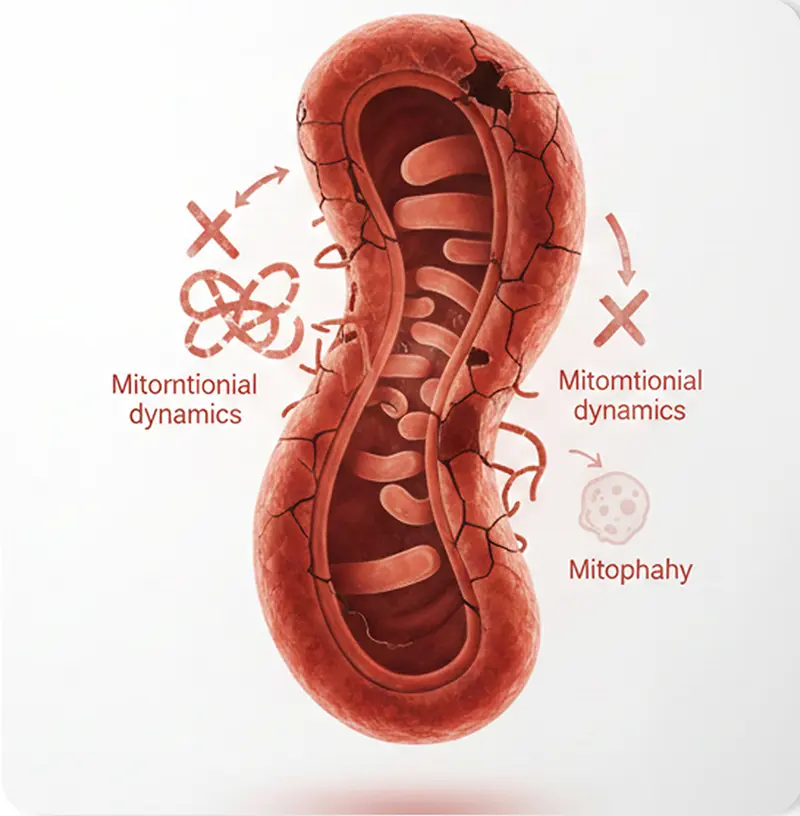
 Compromised Tissue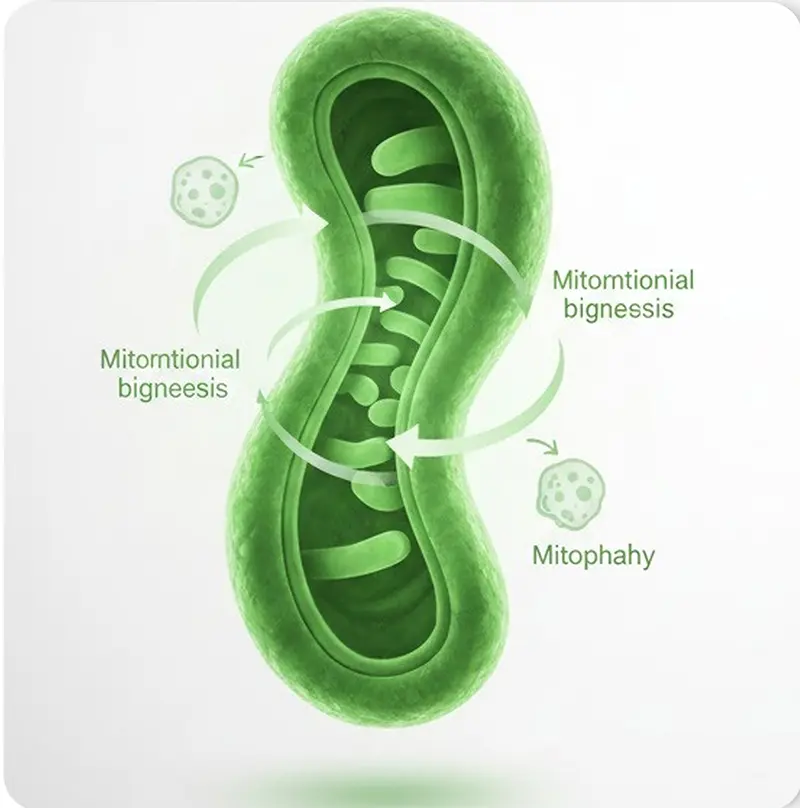
 Regenerated Tissue
Accelerates cellular metabolism and mitochondrial activation for improved tissue recovery and long-term adaptation
Reduced local nociceptor sensitivity and decreased levels of substance P and other pain-related neuropeptides
Together, these biological effects make Class IV Laser Therapy especially effective for managing acute inflammation, chronic degenerative conditions, post-surgical recovery, and nerve-related pain, providing deep, regenerative healing rather than temporary symptom relief.
Class IV Laser Therapy is a core technology in modern regenerative and sports medicine. Supported by clinical research and widely adopted in orthopedic, military, and elite athletic settings, it delivers powerful biological effects while remaining safe and non-invasive.
Rapid Pain Relief: Many patients experience noticeable analgesia early in care, often reducing the need for
pain medications.
Effective Inflammation Control: Particularly beneficial for conditions such as bursitis, tendinopathies, arthritis, and nerve compression syndromes.
Accelerated Tissue Repair: Enhances healing in muscles, ligaments, tendons, fascia, and post-surgical tissues by stimulating cellular regeneration.
Improved Nerve Function: Supports recovery in conditions like sciatica, peripheral neuropathy, and carpal tunnel syndrome by improving neural signaling and reducing irritation.
Deep, Non-Thermal Penetration: Delivers therapeutic energy to deeper structures without tissue damage or
invasive procedures.
Shortened Recovery Timelines: Ideal for athletes and active individuals seeking a faster, safer return to movement and performance.
Rather than masking symptoms, Class IV Laser Therapy promotes true biological healing, making it a powerful tool for both acute injuries and chronic musculoskeletal conditions.
Class IV Laser Therapy is a versatile, high-powered modality that effectively addresses a wide range of musculoskeletal and neuropathic conditions. Its ability to deliver deep, non-thermal photobiomodulation makes it an excellent choice for both acute injuries and chronic pain syndromes, either as a standalone treatment or as part of a broader regenerative care plan.

Tendonitis (Achilles, Patellar, Rotator Cuff)
Sports Injuries
Plantar Fasciitis and Heel Pain
Meniscopathy , Knee and Ankle injury
Musculoskeletal Chronic pain
Bursitis and Synovitis
Neck and Low Back Pain
Muscle Strains and Ligament Sprains
Sciatica and Nerve Root Irritation
Carpal Tunnel Syndrome
TMJ Dysfunction, Trigeminal Neuralgia, Bell’s Palsy
Arthritis (Knee, Hip, Shoulder, Spine)
Post-Surgical Incision Healing
Repetitive Strain Injuries (RSI)
Whether you’re recovering from a recent injury, managing long-standing joint or nerve pain, or looking to speed up post-operative healing, Class IV Laser Therapy offers a safe, drug-free solution to support tissue regeneration and restore optimal function. Its broad applicability and fast results make it a core part of modern, non-invasive pain care.
Within The S.H.I.V.A. Method, Class IV Laser is deployed intelligently, not generically. It is used to prepare tissue, modulate inflammation, enhance biological signaling, and synergize with other regenerative modalities.
In The S.H.I.V.A. Method,a precision-based, regenerative Physical Therapy framework, Class IV Laser Therapy is not used generically. It is applied intentionally at key phases of healing to enhance biological readiness, accelerate repair, and amplify the effects of other regenerative modalities. Laser becomes more than a pain-relief tool; it acts as a biological activator and recovery amplifier within the system.
Class IV Laser Therapy is integrated early within the regenerative process to promote tissue readiness, reduce acute inflammatory burden, and set the stage for synergistic interventions. It enhances biological receptivity and primes the system for deeper, layered healing strategies within the S.H.I.V.A. framework..
Laser therapy recharges cellular energy dynamics, supports microcirculation, and promotes resolution of lingering inflammatory stress. It is strategically used to reinvigorate healing in chronic or plateaued conditions where tissue repair has stalled.
In the activation phase, Class IV Laser facilitates neuromuscular readiness, boosts tissue resilience, and supports progressive reloading. It plays a key role in bridging the gap between passive recovery and active reintegration into movement and strength-based function.
Class IV Laser Therapy, when used within The S.H.I.V.A. Method, becomes more than a light-based intervention. It becomes a stage-specific, bioenergetic catalyst that enhances everything around it, from Shockwave, EMTT, to movement retraining. With proper dosing, sequencing, and clinical intent, it helps patients heal faster, tolerate more, and return to life with confidence.
Class IV Laser Therapy is well-suited for individuals seeking a safe, non-invasive approach to healing and pain relief, especially when progress has stalled with conventional care. Ideal candidates often include:


People experiencing persistent pain or inflammation that has not responded to standard physical therapy
Athletes managing acute injuries, overuse conditions, or recovery demands
Individuals recovering from surgery who want to support tissue and scar healing
Patients with nerve-related symptoms such as irritation, sensitivity, or neuropathic discomfort
Those looking for a drug-free alternative to injections, pain medications, or invasive procedures
When used by trained clinicians, Class IV Laser is gentle, efficient, and integrates seamlessly into comprehensive rehabilitation programs. As with all advanced therapies, certain medical conditions, such as active malignancy, pregnancy, implanted electronic devices, or photosensitivity, require medical clearance to ensure safety and appropriateness.
Class IV Laser Therapy sessions are fast, non-invasive, and seamlessly integrated into your broader regenerative plan. Here’s what a typical session may involve:
Treatments generally last between 5 to 10 minutes, depending on the size, depth, and nature of the condition being addressed.
Most patients begin with 2 to 3 sessions per week, with frequency adjusted as progress unfolds and healing responses are monitored.
While many conditions respond within 6 to 10 sessions, more chronic or complex cases may benefit from longer-term, phased protocols tailored to your unique biology
You may feel a warm, soothing sensation during therapy, never painful. The experience is often relaxing and well-tolerated.
Clothing should be removed over the treatment area, and protective eyewear is provided for both patient and clinician. The handheld laser applicator is applied directly to the skin, delivering targeted therapeutic light
There’s no downtime. Patients typically return immediately to daily activity, physical therapy, or athletic movement without restriction.
Many patients report reduced pain, improved range of motion, and a noticeable shift in tissue quality even after early sessions, though the true regenerative effects continue to unfold in the days and weeks ahead.
Learn more about how photobiomodulation works
This video provides an overview of Class IV Laser Therapy technology