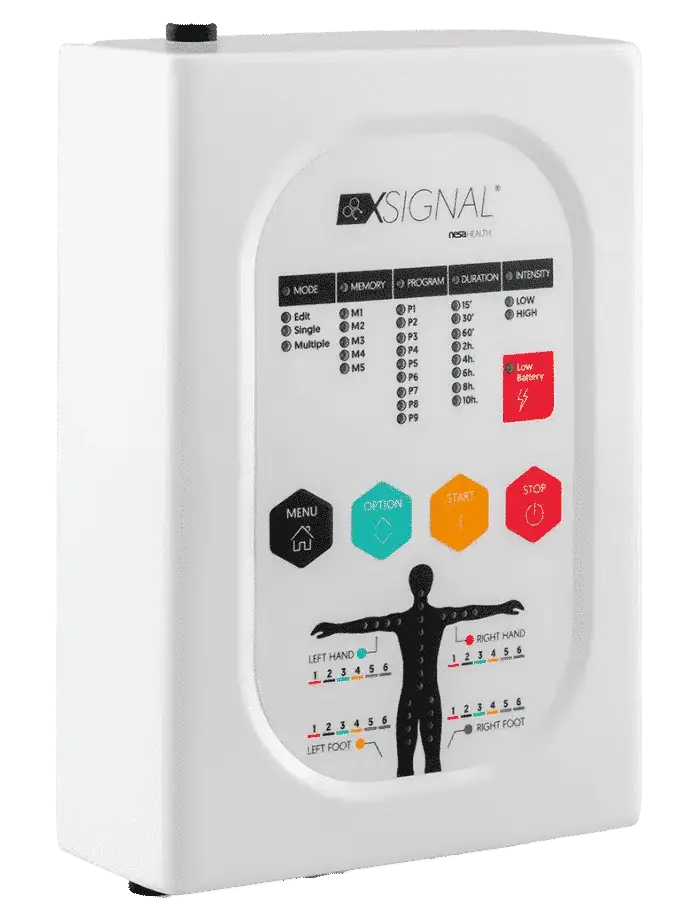
NESA® X-Signal Therapy is a non-invasive neuromodulation system designed to regulate the autonomic nervous system (ANS) using ultra-low intensity microcurrents delivered through peripheral electrodes.
Unlike traditional electrical stimulation that targets muscle contraction or local pain relief, NESA works at the level of the nervous system, with the goal of influencing autonomic balance and neurophysiological regulation.
It is designed to support systemic stability, improve nervous system adaptability, and optimize recovery processes.
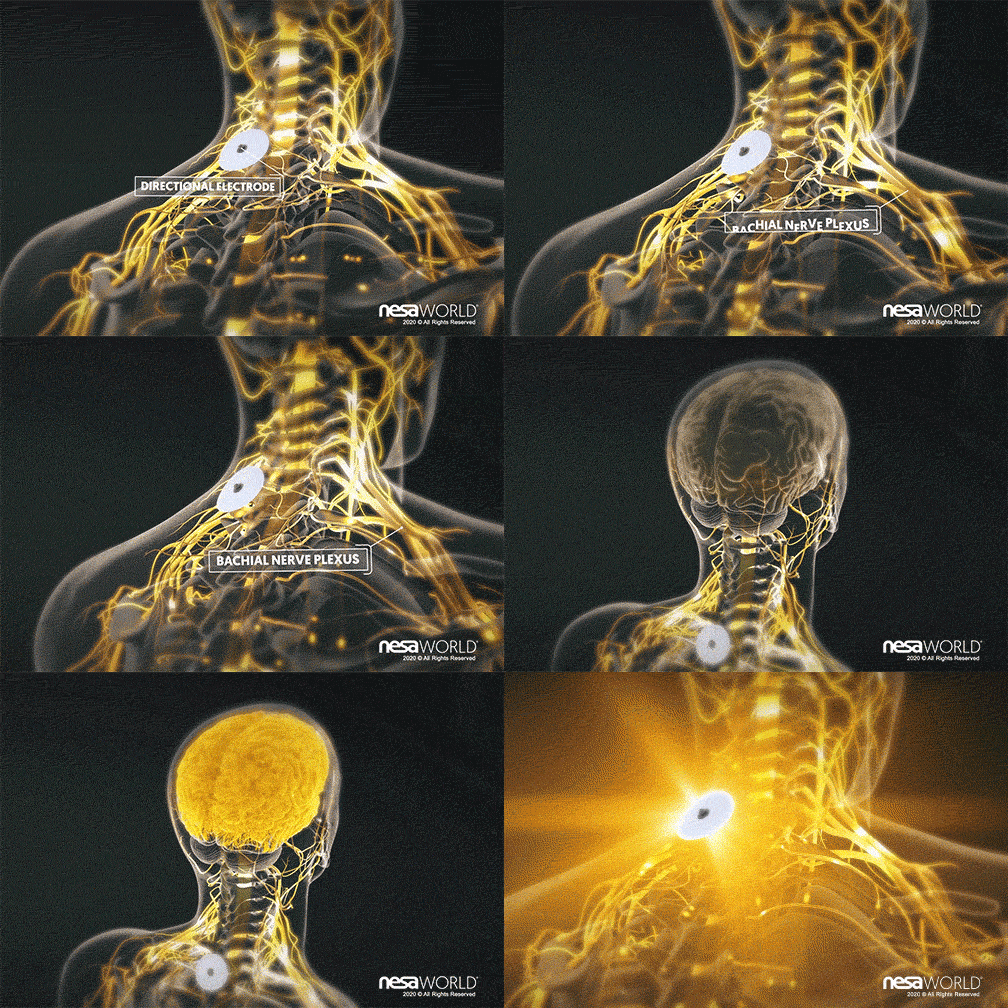
NESA therapy delivers imperceptible, sequential microcurrents through distal electrodes placed on the wrists and ankles. These low-frequency signals interact with:

Peripheral nerve endings
Autonomic pathways
Central nervous system regulatory circuits
Parasympathetic activity
Sympathetic overdrive
Cortical alpha rhythm activity
Neurovegetative balance
Rather than forcing change, NESA® works by gently guiding the nervous system toward a more balanced state. When autonomic regulation improves, physiological systems involved in stress response, inflammation, and recovery may function more efficiently, supporting overall rehabilitation when combined with appropriate clinical care.
Most conventional electrotherapy approaches are designed to stimulate muscles or temporarily block pain signals at the local level. While these methods can provide short-term relief, they often do not address the underlying nervous system imbalance that contributes to persistent symptoms or delayed recovery. NESA takes a fundamentally different approach by focusing on regulation rather than stimulation.
NESA is different because it
Uses ultra-low intensity microcurrents (sub-sensory)
Does not cause muscle contraction
Does not rely on pain-gating mechanisms
Targets autonomic regulation rather than local tissue stimulation
It is designed to influence system-wide neurophysiological balance rather than isolated tissue response.
By working at the level of the autonomic and central nervous systems, NESA aims to create conditions that support recovery across multiple body systems. This broader regulatory effect is what distinguishes it from traditional electrotherapy and makes it a valuable adjunct within a comprehensive regenerative care strategy.
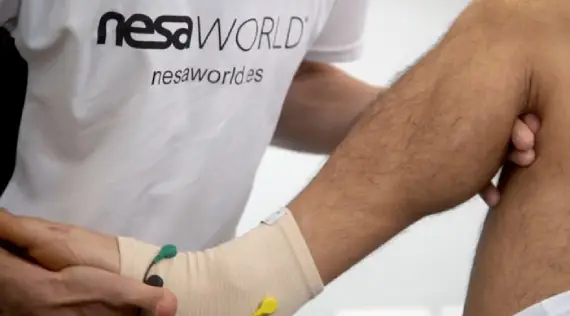
The human nervous system plays a central role in regulating pain perception, inflammation, recovery, and overall physiological balance. When autonomic regulation becomes disrupted, often due to chronic stress, injury, or persistent pain, healing processes can slow, and symptoms may persist even after tissues begin to recover. NESA® therapy is designed to interact with these regulatory systems, supporting nervous system balance rather than directly stimulating muscles or tissues.
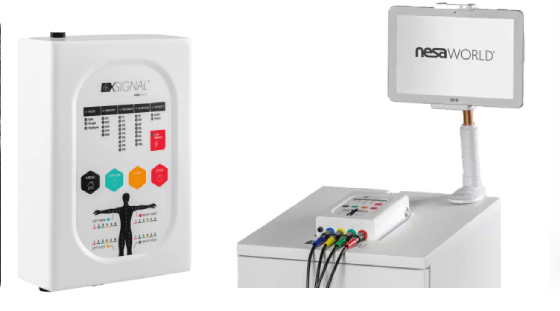
Because NESA therapy interacts with autonomic regulatory pathways, its mechanisms may also involve modulation of vagal nerve activity. The vagus nerve is a major component of the parasympathetic nervous system and plays an important role in heart rate variability, inflammatory signaling, stress responses, and neurophysiological regulation. By influencing autonomic function, neuromodulation approaches such as NESA may help support systemic processes that contribute to recovery, sleep quality, and pain modulation when integrated within a comprehensive treatment plan.
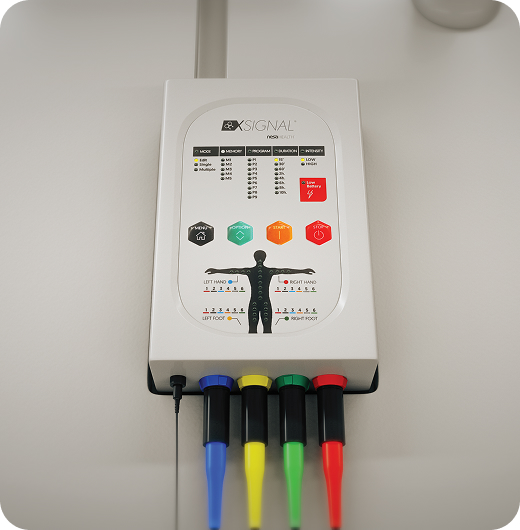
Modulation of autonomic nervous system tone
Increased parasympathetic activity
Improved heart rate variability (HRV) markers
Regulation of cortical alpha rhythms
Reduction in neurovegetative dysregulation
Pain sensitivity
Inflammatory signaling
Sleep quality
Tissue recovery
Stress resilience
By supporting autonomic nervous system regulation, NESA may help create a physiological environment that is more favorable for recovery, allowing the body’s natural healing processes to function more efficiently alongside other therapeutic interventions.
NESA therapy has been applied in clinical settings where an autonomic nervous system imbalance is believed to contribute to symptoms or delayed recovery. Because autonomic regulation influences pain processing, sleep quality, stress responses, and physiological recovery mechanisms, neuromodulation approaches like NESA are often considered in conditions that involve systemic nervous system dysregulation rather than isolated tissue injury.
NESA therapy is commonly used in cases involving:
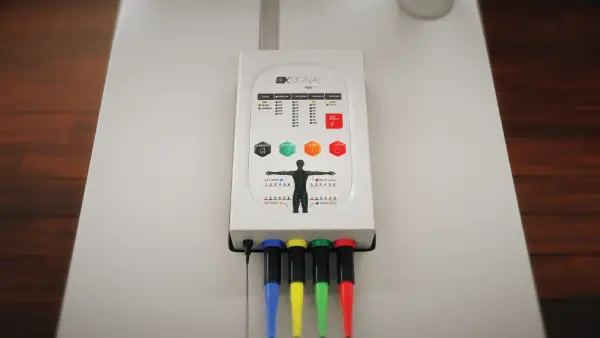
Chronic pain syndromes
Fibromyalgia
Stress-related disorders
Sleep disturbances
Autonomic dysregulation
Post-concussion recovery support
It is typically integrated within a comprehensive rehabilitation plan, where nervous system regulation is addressed alongside biomechanical, tissue, and functional treatment strategies to support overall recovery.
Within The S.H.I.V.A. Method – A 5-Phase Regenerative Physical Therapy FrameworkR, every tool is applied intentionally, not automatically. NESA neuromodulation is considered only when clinical evaluation suggests that nervous system dysregulation may be limiting tissue healing or functional progress.
It may be used when clinical evaluation suggests:
Because the autonomic nervous system is known to influence inflammation, immune response, and tissue healing, regulating it can support musculoskeletal recovery.
It is one tool within a broader strategy, not a standalone solution.
NESA sessions are gentle, non-invasive, and designed to support global autonomic regulation without discomfort or downtime. Here’s what a typical session includes:
Each session typically lasts 45–60 minutes, depending on your condition and treatment goals.
Most patients receive NESA as part of a structured care plan, often 2-3 times per week based on clinical need.
The stimulation is generally imperceptible or extremely mild. Many patients feel little to no sensation
Soft, glove-like distal electrodes are applied to the wrists and ankles, and a directional electrode is positioned based on your specific clinical presentation.
Patients typically remain relaxed throughout the session, though in certain cases, gentle active movement may be incorporated.
There is no downtime. Most patients resume normal activities immediately after treatment.
Many patients report feeling deeply relaxed following treatment.
NESA® neuromodulation is designed for individuals whose symptoms may be influenced by nervous system imbalance rather than purely structural damage.

NESA may be appropriate for individuals who:
Experience chronic stress-related pain
Have sleep disturbances affecting recovery
Sports injury recovery
Show signs of autonomic imbalance
Present with persistent pain without clear structural drivers
Have heightened nervous system sensitivity
Clinical screening determines appropriateness. Every patient’s neurological profile is different. A thorough evaluation helps determine whether NESA® neuromodulation fits within your personalized care strategy and whether it complements your broader treatment plan for safe, system-based recovery.
No. NESA does not stimulate muscle contraction or rely on pain-blocking mechanisms. It targets autonomic regulation.
Disclosure: NESA® technology is not approved by the U.S. Food and Drug Administration for the treatment of specific medical conditions. Its use at Shiva Physical Therapy is part of an exploratory, clinical research, research-informed neuromodulation approach within the licensed scope of physical therapy. Patients are encouraged to consult their physician regarding any medical condition.
This review outlines how non-invasive stimulation of the vagus nerve activates the cholinergic anti-inflammatory pathway, benefiting conditions involving systemic inflammation and immune regulation.
Read Full Study →Research discusses how non-invasive neuromodulation techniques can modulate the autonomic nervous system and influence pain processing, suggesting mechanisms relevant to technologies like NESA microcurrents
Read Full Study →Preliminary clinical data mean to evaluate microcurrent (similar to NESA®) effects on quality of life, symptom relief, and sleep in overactive bladder patients — showing potential applications for autonomic modulation.
Read Full Study →A study evaluating transcutaneous microcurrent stimulation showed activation of the parasympathetic nervous system and increased markers of parasympathetic activity, which is relevant for neuromodulation effects in systemic recovery and relaxation.
Read Full Study →Independent research in athletic recovery settings highlights potential positive effects on sleep quality and stress relief associated with non-invasive microcurrent neuromodulation.
Read Full Study →A randomized controlled physiology study showed immediate vascular effects, such as increased lumen diameter and altered arterial thickness after microcurrent neuromodulation , suggesting cardiovascular modulation beyond pain relief.
Read Full Study →Studies on vagus nerve stimulation underscore its role in regulating pro-inflammatory cytokines and maintaining physiological balance across neural and immune pathways.
Read Full Study →A clinical study investigated non-invasive vagus nerve stimulation in chronic insomnia, supporting broader evidence for autonomic modulation via non-invasive techniques.
Read Full Study →