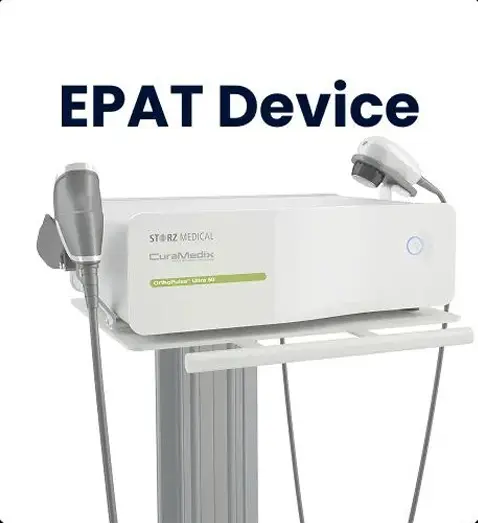
Radial Pressure Wave Therapy, also known as Extracorporeal Pulse Activation Technology (EPAT), is a non-invasive modality that uses acoustic pressure waves, not true shockwaves, to stimulate healing in muscles, tendons, fascia, and other soft tissues. EPAT delivers controlled acoustic pressure waves that travel radially through the tissue, activating cellular repair, improving circulation, and accelerating recovery.
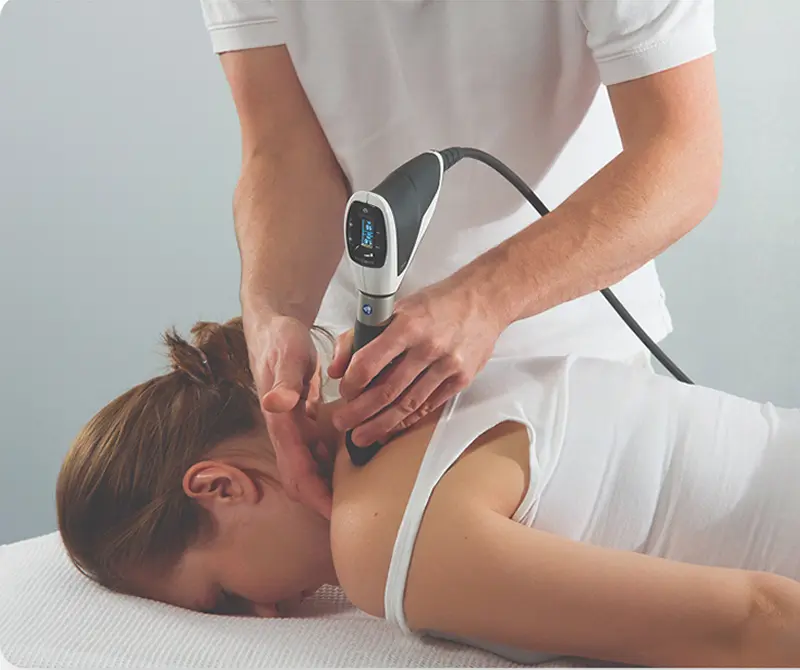
EPAT works entirely on the skin’s surface, no incisions, no internal probe, just external acoustic pulses that stimulate deep healing without disrupting tissue integrity.
Focuses acoustic energy precisely at the root cause of pain, bypassing guesswork to deliver accurate, effective treatment where your body needs it most.
Activates deep biological repair by enhancing circulation, cellular regeneration, and metabolic activity, supporting your body’s natural recovery for lasting relief.
Unlike focused shockwave therapy, which concentrates energy at a specific depth, radial shockwaves spread outward across a broader treatment area. This makes EPAT particularly effective for superficial to mid-depth musculoskeletal conditions such as chronic tendinopathies, myofascial pain, and soft tissue stiffness.
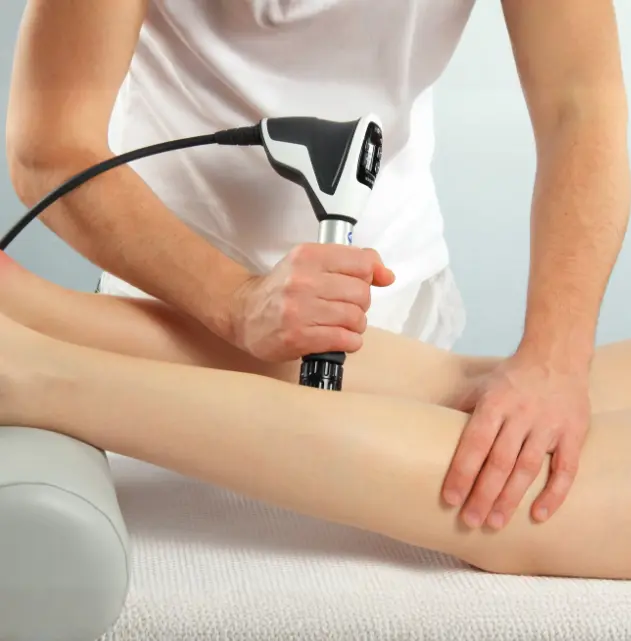
EPAT is FDA-cleared and supported by the International Society for Medical Shockwave Treatment (ISMST). It is widely used in orthopedic, sports medicine, and rehabilitation settings worldwide. Treatment is performed using a handheld applicator that delivers shockwaves directly through the skin without needles, anesthesia, medications, or surgery, allowing patients to resume normal activity immediately after treatment.
EPAT delivers controlled acoustic pressure waves that spread radially through superficial and mid-depth tissue layers. These mechanical waves stimulate healing through a biological process known as mechanotransduction the conversion of mechanical force into cellular and biochemical responses.


As the pressure waves pass through the tissue, they trigger a cascade of regenerative effects, including:

improving oxygen and nutrient delivery to damaged tissue
trengthening tendons, fascia, and connective tissue
helping calm chronic pain and local inflammation
accelerating repair and recovery
helping restore normal sensory processing and reduce hypersensitivity in chronic or neuropathic pain conditions
restoring tissue mobility and elasticity
Because EPAT works through mechanical signaling rather than heat or electrical stimulation, it is non-thermal, safe, and well-tolerated, even in sensitive or inflamed areas. This allows effective tissue regeneration without discomfort, tissue damage, or downtime.
While traditional modalities like therapeutic ultrasound are often used to manage pain and stiffness, EPAT works at a deeper biological level to stimulate true tissue repair rather than temporary symptom relief.
| Feature | Traditional Ultrasound | EPAT (Radial Shockwave Therapy) |
|---|---|---|
| Energy Type | Piezoelectric / thermal | Acoustic pressure waves |
| Penetration Depth | Shallow (1–3 cm) | Broad coverage (up to 5 cm) |
| Effect on Blood Flow & Neovascularization | Minimal | Strong pro-angiogenic response |
| Primary Mechanism | Passive tissue heating | Active cellular and tissue remodeling |
| Onset of Healing Response | Gradual and limited | Accelerated, sometimes immediate |
| Effectiveness in Chronic Conditions | Limited | Highly effective |

Improved tendon structure and load tolerance, particularly in chronic tendinopathies, through collagen remodeling and improved tissue organization.
Stimulation of nitric oxide (NO) release, supporting vasodilation, improved microcirculation, and vascular remodeling.
Disruption of fibrotic adhesions and myofascial restrictions, helping restore normal tissue glide in chronic or post-surgical scar tissue.
Enhanced lymphatic drainage and reduced interstitial pressure, aiding removal of metabolic waste and inflammatory byproducts.
Modulation of pain signaling, including reduced local nociceptor sensitivity and decreased levels of pain-related neuropeptides such as substance P.
Improved neuromuscular activation, allowing inhibited or guarded tissues to re-engage more effectively during movement and loading.
 Compromised Tissue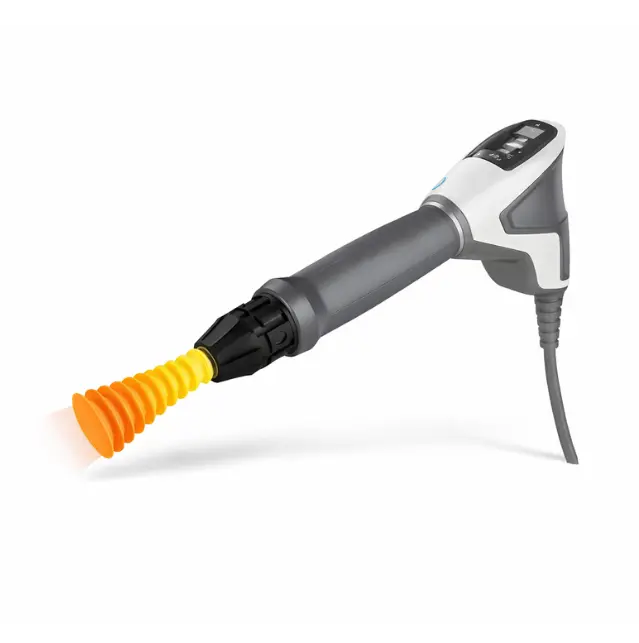
 Regenerated Tissue Post EPAT
Reduced local nociceptor sensitivity and decreased levels of substance P and other pain-related neuropeptides
Allows inhibited or guarded tissues to re-engage more effectively during movement and loading
Together, these effects make EPAT a powerful regenerative intervention for tissues affected by overuse, repetitive strain, trauma, or stalled healing, especially when prior conservative treatments have failed to produce lasting improvement.
Backed by extensive clinical research and ISMST-supported guidelines, EPAT has demonstrated meaningful outcomes in patients with both acute and chronic musculoskeletal conditions. Documented clinical benefits include:


Significant pain reduction without the use of medications, injections, or invasive procedures
Improved tendon and soft-tissue function, supporting better joint mechanics and load tolerance
Accelerated recovery in chronic, overuse, and post-surgical conditions
Reduced myofascial stiffness and tissue restriction, improving flexibility and movement efficiency
Sustained functional improvements, with benefits often maintained following a short treatment course of 3–6 sessions
By addressing tissue dysfunction at a mechanical and biological level, EPAT supports durable recovery rather than short-term symptom control.
Radial Shockwave Therapy (EPAT) is clinically effective for a broad range of musculoskeletal and soft tissue conditions—especially those resistant to conventional care. Common applications include:

Plantar fasciitis and heel spurs
Achilles tendinopathy
Patellar tendinosis (jumper’s knee)
Rotator cuff tendinopathy
Lateral epicondylitis (tennis elbow)
Medial epicondylitis (golfer’s elbow)
Greater trochanteric pain syndrome (hip bursitis)
Chronic muscle tightness or myofascial trigger points
Myofascial pain syndromes
Scar tissue restrictions (post-surgical or post-traumatic)
Shin splints (medial tibial stress syndrome)
In addition to treating chronic pain conditions, EPAT is frequently used as a recovery-accelerating tool for athletes, helping restore tissue mobility, reduce fascial congestion, and support return-to-sport after injury or surgery.
EPAT may benefit many more conditions. Consult your therapist to find out if it’s right for you.
In the S.H.I.V.A. Method, Radial Shockwave Therapy (EPAT) is not used generically or passively; it is a condition-specific, tissue-informed mechanical signal that must be applied with intention, timing, and precision. It’s not just about turning on a machine and pulsing the tissue. It’s about knowing which conditions respond, which ones don’t, and understanding the right frequency, energy flux density, treatment depth, applicator type, and integration strategy required for a true regenerative response.
This is where The S.H.I.V.A. Method makes the difference. We don’t just “use it”; we know exactly when to integrate it, how to pair it with other modalities (e.g., Class IV Laser, Manual Therapy, INDIBA, SCENAR, EMTT, or focused ESWT), and why it’s necessary at a specific phase in the healing sequence to drive deeper systemic reset. With results, data, and real clinical outcomes to back it up, EPAT becomes more than just a modality; it becomes part of a system-based approach to long-term healing.
EPAT is introduced only once foundational tissue imbalances have been stabilized. At this stage, radial acoustic waves are used to enhance mechanotransduction, release superficial fascial restrictions, and improve perfusion in targeted soft tissues.
Now we stimulate fibroblast activity, disrupt adhesions, and flush metabolic waste, reawakening tissue regeneration and rebalancing cellular signaling. This phase requires specific protocols depending on tissue depth and chronicity.
EPAT continues to support dynamic movement by improving proprioceptive input, increasing neuromuscular responsiveness, and maintaining tissue elasticity under load as the patient returns to higher levels of activity.
Unlike symptom-masking tools, EPAT functions as a regenerative amplifier when used with the right clinical lens. In the wrong hands, it’s just another gadget. In our hands, it’s a biologically timed intervention woven into a broader system of neuromuscular recalibration and whole-body restoration.
Radial Shockwave Therapy (EPAT) is an excellent option for individuals seeking a non-invasive solution to persistent musculoskeletal pain. Ideal candidates include:
Those with chronic tendon, muscle, or fascia-related pain
Patients who have plateaued with conventional physical therapy
Athletes and active individuals recovering from overuse or training injuries
Older adults needing gentle, tissue-targeted care without surgery
Anyone looking to avoid medications, steroid injections, or invasive procedures
FDA-cleared and supported by clinical research, EPAT is safe, effective, and well-tolerated across all age groups and activity levels, with very few contraindications.
Radial Pressure Wave Therapy (EPAT), also known as Extracorporeal Pulse Activation Technology, is a non-invasive treatment designed to activate the body’s natural healing response through mechanical stimulation. Each session is fast, comfortable, and easy to incorporate into your weekly schedule. Here’s what to expect:
Each session typically lasts between 10 to 20 minutes, depending on the size and depth of the treatment area.
EPAT is generally administered 1 to 2 times per week, allowing time for tissue response and regeneration between sessions.
Most individuals complete a course of 3 to 6 sessions, though chronic or stubborn conditions may require additional treatments for optimal outcomes.
EPAT is non-invasive and generally well-tolerated. Patients often describe the sensation as a mild tapping, pulsing, or vibration, which is adjustable for comfort.
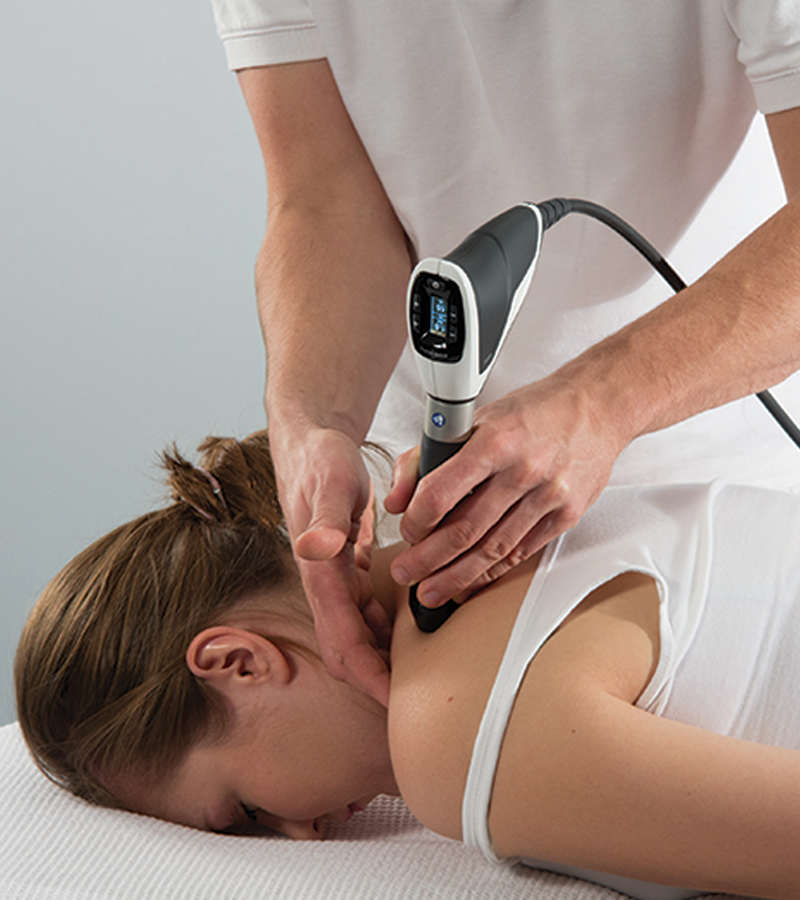
Clothing must be removed over the treatment area, and a conductive gel is applied to ensure proper energy transfer. The handheld applicator is then applied directly to the skin for targeted delivery of radial shockwaves.
There is no downtime. Patients can return to work, exercise, or daily tasks immediately following each session with no restrictions.
Many patients report noticeable pain relief or improved mobility after just one or two sessions, while others experience a gradual improvement over time as healing accelerates at the cellular level.