



Sports injuries can happen in a split second from a wrong landing, a bad pivot, a misstep, or a collision, or they may build up silently over time through repetitive stress and poor movement patterns. Whether it’s a torn ligament, strained hamstring, tendon overload, or overuse joint pain, the result is often the same: halted training, lost performance, and the looming risk of chronic reinjury.
At Shiva Physical Therapy, we understand that no two athletes and no two injuries are alike. That’s why we don’t apply generic therapy models. Instead, we apply The S.H.I.V.A. Method, a regenerative, research-based, precision treatment framework designed to accelerate tissue healing, rebuild neuromuscular control, and restore confidence with every phase of recovery.
There has been a major paradigm shift in how sports injuries are understood. At one point, recovery was defined by RICE (Rest, Ice, Compression, Elevation). Later, science began emphasizing the broader PRICE model (adding Protection), and now modern research encourages POLICE (Progressive Loading, Optimal Tissue stress, Nutrition, Inflammation control, Circulation, and Education). This evolution shows that success in recovery no longer comes from isolating one area or simply reducing pain; it comes from restoring the systems that drive true healing.

That’s why we must look beyond traditional methods and adopt smarter, phase-matched strategies that balance tissue stress, improve circulation, reduce nerve irritation, rebuild movement control, and support your body’s natural regeneration. When care shifts from reactive symptom fixes to system-level recovery, athletes experience faster progress, fewer setbacks, and more sustainable results, making this the new standard for quick and lasting performance-based recovery.
The S.H.I.V.A. Method helps athletes of all levels from high school and collegiate competitors to weekend warriors, recover from:
Hip Injuries
Femoroacetabular impingement (FAI), labral tears, snapping hip, hip flexor strains, and athletic pubalgia (“sports hernia”).
Spinal Sports Injuries
Lumbar strain, facet joint irritation, spondylolysis, and discogenic pain from weightlifting or rotation-heavy sports.
Knee & Patellofemoral Disorders
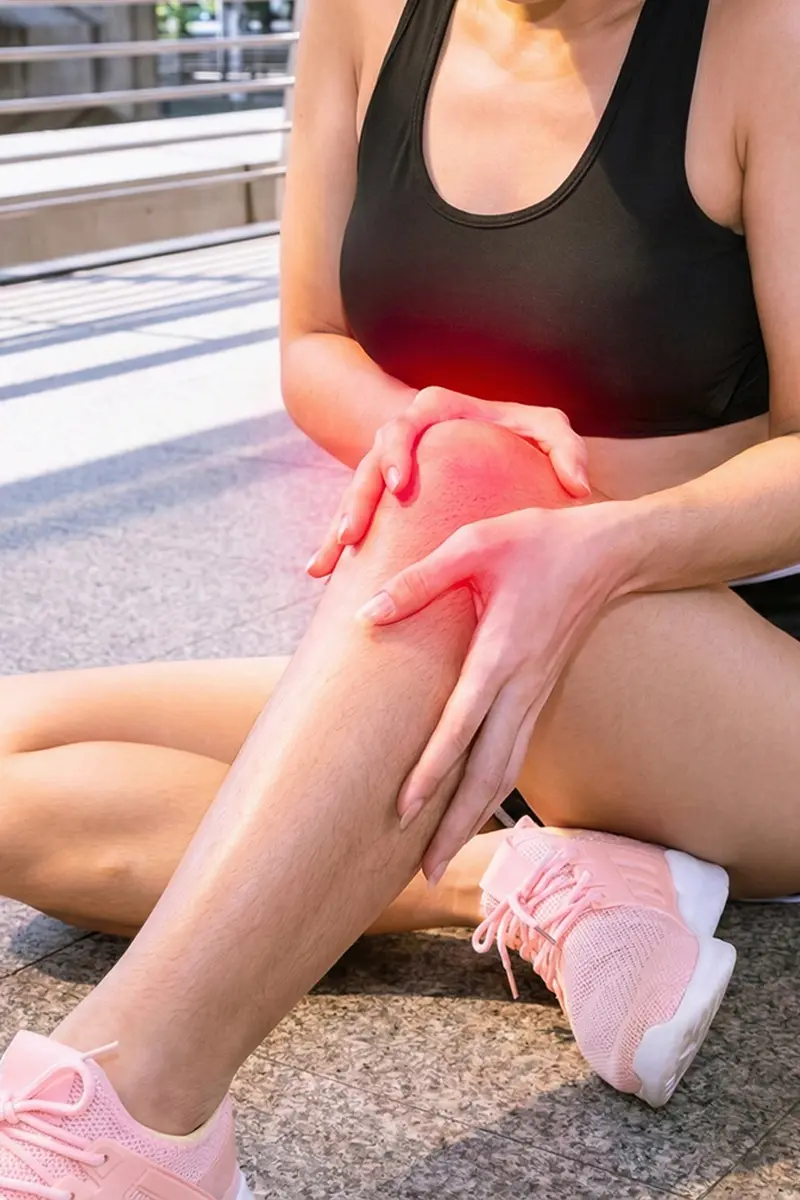
Patellar tracking dysfunction, iliotibial band (ITB) syndrome, runner’s knee, and Osgood-Schlatter’s disease in young athletes
Ankle & Foot Injuries
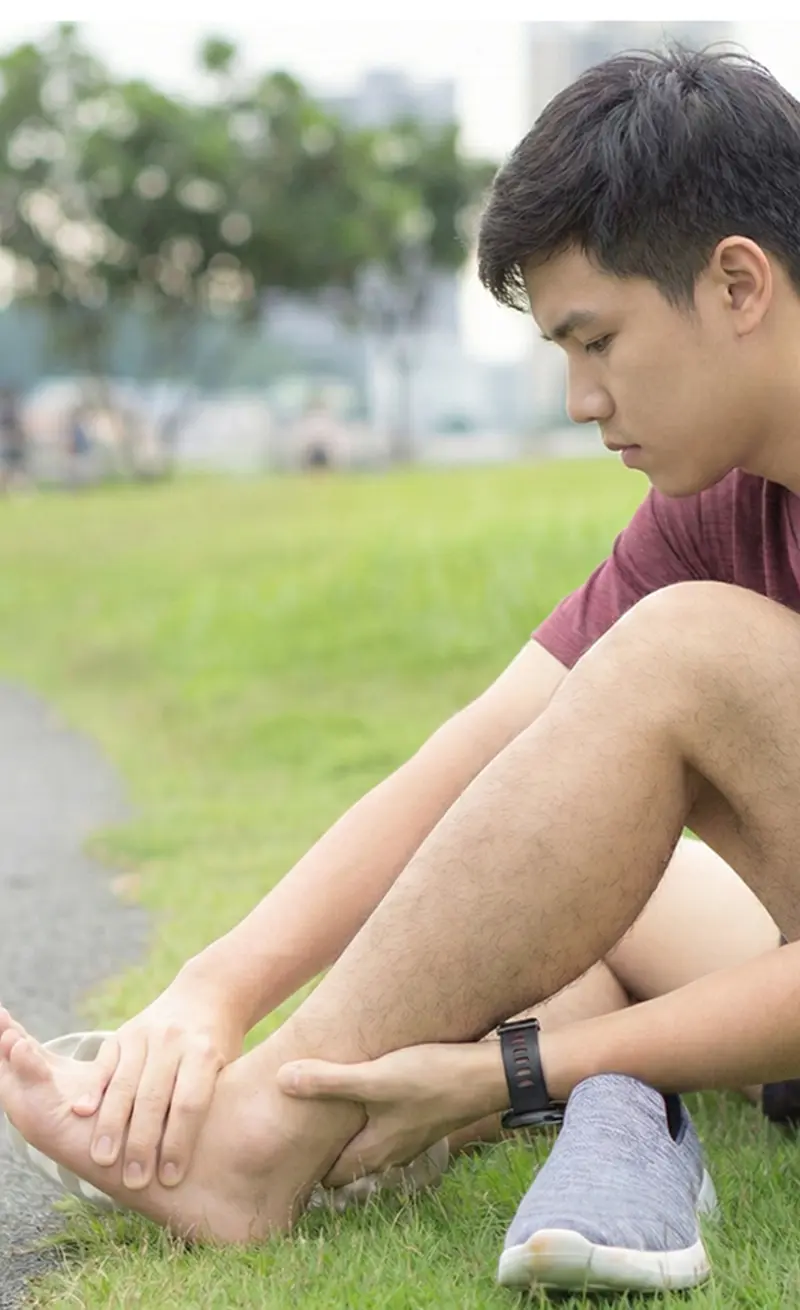
Chronic ankle instability, high ankle sprains (syndesmotic injuries), plantar fasciitis, turf toe, metatarsalgia, and sesamoiditis.
Post-Surgical Rehabilitation
ACL reconstruction, meniscus repair, rotator cuff surgery, hip labral repair, tendon repairs, joint scopes, and cartilage restoration.
Recurrent & Chronic Injuries
Hamstring reinjuries, chronic groin pain, repeated ankle sprains, stubborn tendinopathies, and performance plateaus due to unresolved biomechanical dysfunction.
If conventional sports injury care truly worked, why do so many athletes and active individuals still struggle with pain, stiffness, or hesitation long after the injury?


Sports injury recovery has evolved from RICE → PRICE → POLICE, reflecting a shift toward smarter, active, and biology-led healing. Now it’s time for regenerative, phase-matched care that supports faster, safer, and longer-lasting recovery.
The truth is, tissue damage, movement dysfunction, and nervous system dysregulation all contribute to delayed recovery. Real healing goes beyond passive rest and generalized exercises; it requires timing, tissue-specific regeneration, and integrated retraining.
Elite athletes return quickly, not by chance, but because they receive targeted, multimodal care designed to stimulate healing at every level from collagen synthesis to neural coordination and functional performance.
At Shiva Physical Therapy, we recognize that traditional treatments play an important role in treating Sports injuries . However, many patients need more than symptom management to reach lasting, full recovery. The S.H.I.V.A. Method was built as an additional, regenerative care framework that complements, not replaces, traditional treatment, but restores tissue health, optimizes biomechanics, reduces nerve irritation, and rebuilds efficient movement patterns.
 Focuses on injured region (muscle, ligament, or joint) in isolation
Uses RICE/PRICE/POLICE principles, stretching, Strengthening exercises, TENS, bracing, massage, or NSAIDs for pain & inflammation
Pain relief often depends on anti-inflammatory drugs, steroids, or injections
Exercise dosage is progressed by protocol rather than biology
Emphasizes strengthening without fully correcting neuromuscular coordination
Tissue healing is expected, but rarely measured or biologically accelerated
Return to play depends on passing time or pain scale improvements → results vary widely
Helpful for early supportive rehab or mild injuries
Focuses on injured region (muscle, ligament, or joint) in isolation
Uses RICE/PRICE/POLICE principles, stretching, Strengthening exercises, TENS, bracing, massage, or NSAIDs for pain & inflammation
Pain relief often depends on anti-inflammatory drugs, steroids, or injections
Exercise dosage is progressed by protocol rather than biology
Emphasizes strengthening without fully correcting neuromuscular coordination
Tissue healing is expected, but rarely measured or biologically accelerated
Return to play depends on passing time or pain scale improvements → results vary widely
Helpful for early supportive rehab or mild injuries
 Evaluates sport injury through a whole-system model: spinal mechanics, pelvis, ribcage, fascia, neural signaling, gait loading, and autonomic tone
Enhances care using precise regenerative and non-invasive neuromodulation modalities that restore circulation, nerve communication, fascial glide, and tissue recovery
Reduces reliance on medication by calming pain pathways and activating natural neuro-regulation and regenerative physiology
Recovery is guided using a paced, phased framework matched to injury biology and irritability instead of forcing painful loads
Rebuilds coordinated firing, joint control, movement precision, breathing mechanics, and load tolerance
Targets the internal injury barriers inflammation, fibrosis risk, neurovascular tension, and neuromuscular inhibition while layering Regenerative treatments and functional strengthening at the right time
Supports a confident, sport-matched return, building resilience, stability, movement accuracy, and reduced recurrence risk
Ideal for both acute and long-standing injuries needing deeper system-wide recalibration & regenerative support
Evaluates sport injury through a whole-system model: spinal mechanics, pelvis, ribcage, fascia, neural signaling, gait loading, and autonomic tone
Enhances care using precise regenerative and non-invasive neuromodulation modalities that restore circulation, nerve communication, fascial glide, and tissue recovery
Reduces reliance on medication by calming pain pathways and activating natural neuro-regulation and regenerative physiology
Recovery is guided using a paced, phased framework matched to injury biology and irritability instead of forcing painful loads
Rebuilds coordinated firing, joint control, movement precision, breathing mechanics, and load tolerance
Targets the internal injury barriers inflammation, fibrosis risk, neurovascular tension, and neuromuscular inhibition while layering Regenerative treatments and functional strengthening at the right time
Supports a confident, sport-matched return, building resilience, stability, movement accuracy, and reduced recurrence risk
Ideal for both acute and long-standing injuries needing deeper system-wide recalibration & regenerative support

Our recovery approach follows a proven, multimodal strategy that guides healing step by step. We begin by calming pain and inflammation to create a safer environment for recovery, then stimulate tissue repair at the cellular level. As healing progresses, we restore movement and neuromuscular control to rebuild coordination and confidence. Finally, we strengthen and load the body in a controlled, sport- and activity-specific way, helping you return to performance with resilience and reduced risk of re-injury.
Every plan is individualized and matched to your biology, your triggers, and your phase of healing.

Regenerative physiology
Neuro-modulation techniques
Fascia science applications
Autonomic balancing protocols
Personalized movement retraining
Instead of generic routines, we build a phased plan that matches your sensitivity, flare patterns, and lifestyle demands.

Choosing Shiva Physical Therapy Franchise means choosing a performance-restoring, regenerative path, not just temporary symptom control. This isn’t just rehab, it’s a smarter return-to-play system built to help your body heal and perform at a higher level.
When you choose Shiva Physical Therapy, you can expect:
Our goal is not just to get you back to activity, but to help you return stronger, more efficient, and more resilient than before. By addressing the true sources of dysfunction and guiding recovery through a regenerative, sport-specific system, we help restore confidence in your body, reduce reinjury risk, and support long-term performance, so you can train, compete, and move forward without hesitation.
It’s a regenerative, sport-focused recovery model designed to help you return safely, efficiently, and more resilient than before.
Call Shiva Physical Therapy today and discover a smarter, regenerative approach that treats the root cause, not just the symptoms.
 Contact Us Today
 Same-day Appointment
 No referral needed