Frozen Shoulder Treatment Guide
A Stage-Specific, Non-Invasive Approach with the S.H.I.V.A. Method™
Frozen Shoulder (Adhesive Capsulitis) is no longer something patients must simply “wait out.”Advancements in regenerative, neuromodulatory, and biologically targeted therapies have transformed the treatment of this condition, without the need for injections, surgery, or prolonged disability.
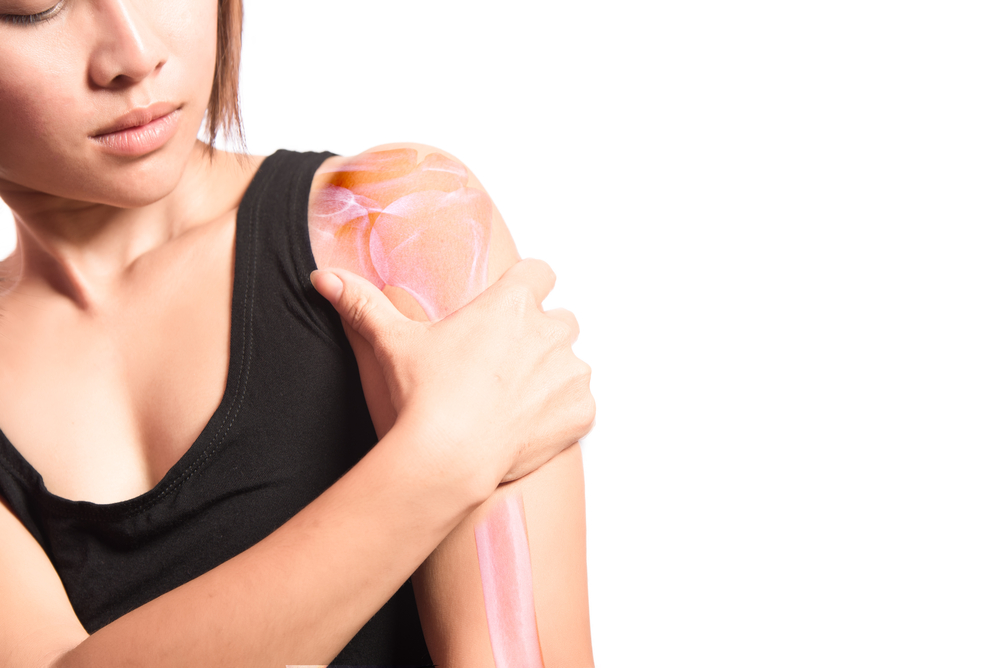
This guide reflects the most advanced, best treatment for frozen shoulder and conservative care strategies available today, integrating pain science, connective-tissue biology, nervous-system regulation, and staged tissue remodeling into a single, coordinated recovery model.
What Is Frozen Shoulder?
Frozen Shoulder is a condition marked by inflammation, capsular thickening, fibrosis, and loss of elasticity in the shoulder joint capsule. These changes disrupt normal joint mechanics and neuromuscular coordination, leading to:
- Deep, persistent shoulder pain (often worse at night)
- Progressive stiffness and loss of motion
- Functional limitation in daily activities
- Long recovery timelines if improperly managed
Pathophysiology of Frozen Shoulder
Who Gets It, Why It Happens, and What Causes ItFrozen Shoulder (adhesive capsulitis) is best understood as a biological shift in the shoulder capsule, starting with inflammation (synovitis) and progressing into fibrosis and capsular contracture that physically limits motion.
What’s happening inside the shoulder capsule
Modern research shows Frozen Shoulder is not “just tightness.” It is a capsule-level inflammatory–fibrotic disorder, involving:
- Early inflammatory activation (immune cell activity and inflammatory cytokines)
- Fibroblast activation → myofibroblast behavior (cells that drive tissue contracture)
- Excess collagen deposition (including fibrotic remodeling changes in the synovium/capsule)
- Imbalance in tissue remodeling signals (growth factors and matrix-regulation pathways)
A 2024 pathology/biology review highlights the pattern clearly: inflammation first, fibrosis later, with inflammatory cytokines, immune cells, and fibrotic growth factors involved, and activated fibroblasts playing a central regulatory role in the process.
inflammation first, fibrosis laterA 2024 Nature Communications study also reinforces that the capsule becomes chronically inflamed and fibrotic, which directly explains the progressive loss of range of motion.
chronically inflamed and fibroticWho Gets Frozen Shoulder Most Often?
Frozen Shoulder most commonly affects:
- Adults 40–60 (often 50–60) and is more common in women then men
- People with diabetes (both type 1 and type 2) around 13.4% in diabetes (much higher than general population estimates) Individuals with thyroid and metabolic disorders
Why Does Frozen Shoulder Happen?
In plain terms, Frozen Shoulder tends to occur when the body enters a state where inflammation does not fully resolve and the capsule shifts toward over-scarring (fibrosis).
Research increasingly connects Frozen Shoulder with metabolic + immune dysregulation, not just a local shoulder issue, especially in patients with diabetes or metabolic syndrome patterns.
Metabolic + immune dysregulationCauses and Risk Factors
Primary vs Secondary Frozen Shoulder
1) Primary (Idiopathic) Frozen Shoulder
This is the most common form; it develops without a clear injury or single trigger, and the exact initiating cause remains unclear.
2) Secondary Frozen Shoulder (Identifiable Trigger or Associated Condition)
These are the most recognized causes/risk associations reported across clinical references and reviews:
Metabolic / Endocrine
- Diabetes (major risk factor; higher prevalence and often more stubborn recovery patterns)
- Thyroid disease (hypo-/hyperthyroidism)
- Hyperlipidemia / metabolic risk factors (reported in predictive/risk modeling studies)
Post-injury / Mechanical / Immobilization-related
- Shoulder trauma or injury history
- Prolonged immobilization (including after pain flare-ups, sling use, or guarding)
- Post-surgical or post-procedure stiffness patterns (commonly grouped clinically under secondary forms)
Other associated conditions
- Dupuytren’s contracture (fibrotic tendency association)
- Cardiovascular disease associations have been reported in risk-factor literature
- HLA-B27 positivity has been described as a risk association in review literature
(https://pmc.ncbi.nlm.nih.gov/articles/PMC5384535/?utm )
The Three Biological Stages of Frozen Shoulder
1. Freezing (Pain-Dominant Stage)
- Active inflammation of the joint capsule
- Elevated pro-inflammatory cytokines
- Neural hypersensitivity and night pain
- Early collagen disorganization
- Sudden “zingers” and pain with small movements
Key clinical focus:
Pain modulation, inflammatory regulation, nervous system calming, tissue protection2. Frozen (Stiffness-Dominant Stage)
- Progressive capsular fibrosis and adhesions
- Reduced synovial glide and joint volume
- Pain may decrease, but motion becomes severely restricted
Key clinical focus:
Capsular remodeling, collagen reorganization, controlled mechanical input
3. Thawing (Recovery Stage)
- Reduced inflammation
- Gradual collagen remodeling and improved elasticity
- Slow restoration of motion and function
Key clinical focus:
Progressive mobility, load tolerance, and neuromuscular reintegration
Why a Non-Invasive, Regenerative Approach Matters
Traditional approaches often rely on:
- A “wait and see” approach that allows stiffness and fibrosis to progress unchecked
- Corticosteroid injections are aimed at short-term symptom suppression rather than tissue recovery
- Premature or overly aggressive stretching that irritates an already inflamed capsule
- A “push through pain” mindset that reinforces protective guarding and prolongs dysfunction
- Surgical manipulation when conservative care fails to respect healing biology
Modern conservative care focuses on guiding the biology, not forcing the joint.
Benefits of a Non-Invasive Regenerative Strategy
- Avoids surgical and injection-related risks
- Supports natural tissue healing rather than suppressing symptoms
- Optimizes fibroblast behavior and collagen quality
- Regulates neuro-immune signaling
- Preserves long-term joint health
Why Timing Matters in Frozen Shoulder Recovery:
Frozen Shoulder is not a single-phase condition; it is a dynamic biological process that evolves over time. The shoulder capsule shifts through distinct healing states, each with different inflammatory activity, collagen behavior, neural sensitivity, and tissue tolerance.
Because of this, the effectiveness of any conservative therapy depends not just on what is used, but when and how it is applied.
Using the right modality at the wrong biological moment can:
- Aggravate inflammation
- Reinforce fibrosis
- Delay tissue remodeling
- Prolong pain and stiffness
This is why not all therapies are appropriate at all stages, even if they are individually effective tools.
The 17 Most Advanced Non-Invasive Therapies for Frozen Shoulder
Why Each Modality Plays a Role in Healing
1. Shockwave / Acoustic Wave Therapy
Shockwave therapy influences mechanotransduction, the process by which cells convert mechanical input into biological signals. This impacts fibroblast behavior, collagen organization, local circulation, and inflammatory signaling within the shoulder capsule—key contributors to stiffness, pain, and restricted motion in adhesive capsulitis.
2. EMTT (Extracorporeal Magnetotransduction Therapy)
EMTT works at a cellular and metabolic level, influencing ion channel behavior, mitochondrial activity, and tissue energy balance without applying mechanical stress. This supports cellular regulation in tissues that are sensitive, inflamed, or metabolically compromised.
3. INDIBA Radiofrequency Therapy
INDIBA enhances microcirculation, tissue oxygenation, and metabolic exchange, supporting connective tissue health and capsular elasticity during prolonged recovery processes where circulation and cellular efficiency are often impaired.
4. Stimpod Peripheral Nerve Stimulation
This modality targets peripheral nerve signaling, helping normalize pain processing and reduce protective muscle guarding. By calming abnormal neural input, it improves movement quality and allows tissues to respond more favorably to rehabilitation.
5. SCENAR Therapy
SCENAR interacts with neuro-immune feedback systems, helping rebalance dysfunctional signaling between the nervous system and local tissues. This is particularly valuable when pain and inflammation persist beyond expected healing timelines.
6. Class IV Laser Therapy (Photobiomodulation)
High-intensity laser therapy enhances mitochondrial ATP production, supports cellular repair, modulates inflammatory activity, and promotes organized collagen synthesis—key processes in restoring capsular health and tissue resilience.
7. Advanced Orthopedic Manual Therapy
Precision manual therapy influences joint mechanoreceptors, capsular glide, and tissue hydration, supporting healthy joint mechanics and collagen alignment when applied with respect for tissue biology and healing capacity.
8. Dry Needling
Dry needling affects neuromuscular tone, local circulation, and connective tissue signaling, helping recalibrate dysfunctional muscle–tissue interactions that contribute to restricted motion and altered movement patterns.
9. NESA X-Signal Neuromodulation
NESA therapy works through autonomic nervous system regulation, helping reduce inflammatory overdrive and stabilize neuro-immune responses that influence pain sensitivity, tissue healing, and recovery efficiency.
10. Direct Current Neuromuscular Re-Education
Targeted direct current stimulation helps retrain the nervous system, restore proper muscle activation, and reduce protective guarding around the shoulder. By improving circulation, decreasing inflammation, and allowing comfortable active movement during treatment, it supports faster mobility gains and tissue recovery. Unlike passive approaches, it encourages real-time neuromuscular engagement, making it especially valuable in stubborn or chronic frozen shoulder where motion has been difficult to regain.
11. Spinal Mobilization (Cervical & Thoracic)
Spinal mechanics directly influence neural input, scapular coordination, and shoulder load distribution. Optimizing these systems supports balanced movement and reduces compensatory stress on the shoulder capsule.
12. Cupping Therapy
Cupping enhances fascial mobility, microcirculation, and metabolic exchange, supporting connective tissue adaptability and improved tissue glide during the remodeling process.
13. Myofascial Release
Myofascial techniques address fascial restrictions and abnormal tissue tension, improving mechanical continuity between the shoulder, thorax, and upper extremity and reducing movement resistance.
14. Functional Range Conditioning (FRC)FRC strengthens active joint control, capsular tolerance, and rotational capacity, reinforcing long-term joint resilience through controlled, intentional articular loading.
15. Movement Therapy (Stage-Appropriate by Design)
Movement restores circulation, neuromuscular coordination, and collagen alignment, but only when introduced in harmony with tissue readiness. Forced or premature motion can disrupt healing and prolong symptoms.
15. Anti-Inflammatory Nutrition & Lifestyle Support
Systemic inflammation, poor sleep, chronic stress, and metabolic imbalance can all disrupt cytokine regulation, slow connective tissue repair, and impair recovery. That’s why targeted lifestyle strategies, including anti-inflammatory nutrition and evidence-based supplementation, sunlight, grounding, are considered essential pillars in supporting the body’s natural healing processes
17. Mind-Body & Neuro-Emotional Regulation
Chronic stress, fear, and emotional tension can significantly impact pain perception, autonomic nervous system balance, and immune function—key factors in the progression and recovery of frozen shoulder. Integrating mind-body approaches, such as breathwork (pranayama), meditation, and somatic awareness, helps regulate these systems. This supports a more favorable internal environment for healing, enhances nervous system resilience, and complements the physical aspects of treatment.
Why the S.H.I.V.A. Method™ Is Different
Most traditional approaches treat frozen shoulder by reacting to symptoms alone, adding generic exercises, manual therapy, dry needling, cupping, adjustments, or heat and cold without a clear biological strategy.
But treatment isn’t just about what you use. It’s about when and why you use it. Every modality affects tissue differently depending on the stage of healing, the level of inflammation, capsular stiffness, metabolic health, and your nervous system’s readiness. Applying treatments randomly or too aggressively can slow recovery rather than accelerate it.
The S.H.I.V.A. Method™ takes a different approach. We match every intervention to your body’s current healing state, guided by:
- Healing biology
- Capsular behavior
- Neuro-immune status
- Tissue tolerance
- Stage-specific readiness
This precision is why outcomes are different. By aligning care with the correct phase of recovery, we avoid:
- Over-treating inflamed tissue
- Under-stimulating fibrotic or stiff tissue
- Triggering flare-ups from poorly timed interventions
Instead, we guide the shoulder step-by-step through each biological phase, allowing inflammation to settle, fibrosis to remodel, and mobility to return safely and sustainably.
In frozen shoulder, timing isn’t optional. It’s everything.
Key Clinical Takeaway
Frozen Shoulder is best treated when you respect the biology:
- Early stage: calm inflammation + reduce neural sensitivity
- Middle stage: guide remodeling + prevent aggressive re-irritation
- Late stage: rebuild capsule extensibility + restore strength and control
That is why modern conservative care increasingly combines stage-based mobility, neuromodulation, tissue remodeling support, and metabolic/inflammatory risk management, instead of relying on one tool alone.
Your Next Step
If you’re struggling with Frozen Shoulder, the most important decision you can make is who guides your recovery.
Look for a provider who:
- Understands the biology of adhesive capsulitis
- Uses advanced non-invasive technologies
- Matches treatment to your stage, not a generic protocol
- Prioritizes long-term joint health
With the right approach, motion can return, pain can resolve, and confidence can be restored.
Written by
Dr. Sivaprasad Parnam, DPT
Founder of Shiva Physical Therapy | Regenerative Pain & Injury Specialist | Pioneer of The S.H.I.V.A. Method™ | Advocate for Whole-body, Evidence-Based Healing