Dry Needling is a modern, evidence-based treatment that uses thin, sterile needles to target dysfunctional muscles, connective tissue, and neuromuscular trigger points that contribute to pain, stiffness, and movement limitation. Dry needling has been studied in randomized controlled trials and systematic reviews for various musculoskeletal pain conditions, particularly myofascial pain syndromes and trigger point–related disorders.
Unlike acupuncture, which is based on traditional meridian theory, dry needling is grounded in anatomy, neurophysiology, and musculoskeletal medicine. The goal is to restore normal muscle function, reduce pain sensitivity, and improve movement quality.
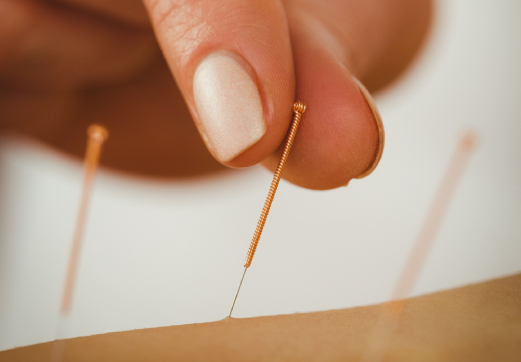
At Shiva Physical Therapy, dry needling may be applied in several advanced forms depending on clinical needs:

Traditional Trigger Point Dry Needling
Electro Dry Needling (Electrical Stimulation Assisted)
Ultrasound-Guided Dry Needling for precision targeting
Each approach serves a different purpose within a comprehensive regenerative care plan.
Dry needling works by targeting dysfunctional muscles, connective tissue, and neuromuscular trigger points that contribute to pain, stiffness, and movement limitations.

May help normalize abnormal motor endplate activity
Improve local blood flow and oxygenation
May reduce local inflammatory and pain-related chemical mediators
Normalize muscle tone and guarding
Trigger neuromuscular reset through reflex pathways
Influence central pain processing mechanisms
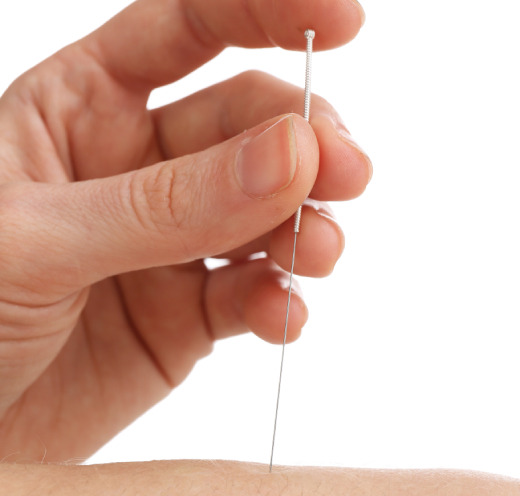
When electrical stimulation is added (Electro Dry Needling), additional neuromodulatory effects may occur, enhancing tissue activation and nervous system regulation.
Ultrasound guidance allows clinicians to visualize deep or sensitive structures, improving both safety and precision when targeting complex regions.
When applied with clinical precision and enhanced when appropriate with electrical stimulation or ultrasound guidance, dry needling becomes more than a local treatment. It supports neuromuscular coordination, reduces protective guarding, and promotes a more efficient healing environment. The objective is not temporary relief, but restoring normal tissue function and movement patterns so recovery can progress safely and effectively.
Many therapies focus only on surface symptoms or passive pain relief. Dry needling targets the underlying neuromuscular dysfunction contributing to pain and movement limitation.
Dry needling is different because it:
Directly addresses dysfunctional muscle and fascial tissue
Influences both peripheral and central pain pathways
Can access deep structures difficult to reach manually
Allows precise neuromuscular modulation
Supports movement restoration rather than temporary masking
Dry needling offers a unique way to influence the neuromuscular system at its source. By targeting dysfunctional tissue and abnormal nerve-muscle communication, it can help the body transition out of protective patterns that limit movement and perpetuate pain. When used within a comprehensive treatment plan, it contributes to improved mobility, better tissue responsiveness, and more efficient recovery progression, supporting meaningful, functional improvement rather than short-term symptom management.
Research suggests dry needling may contribute to several biological and neurophysiological responses:

Improved microcirculation and oxygen delivery
Reduction of nociceptive chemicals (substance P, CGRP)
Modulation of spinal cord and cortical pain processing
May help normalize muscle activation patterns
Reduction of protective guarding
May contribute to improved connective tissue mobility
These mechanisms can help create a more favorable environment for healing when combined with movement-based rehabilitation.
Dry needling is used to support the body’s natural recovery processes by improving how muscles, nerves, and connective tissues function together. Addressing underlying neuromuscular dysfunction, it can help create conditions that allow movement to improve and pain to decrease more efficiently.
Pain reduction
Improved mobility and flexibility
Decreased muscle tension
May support faster recovery from injury in some cases
Improved movement control
Reduced nerve sensitivity
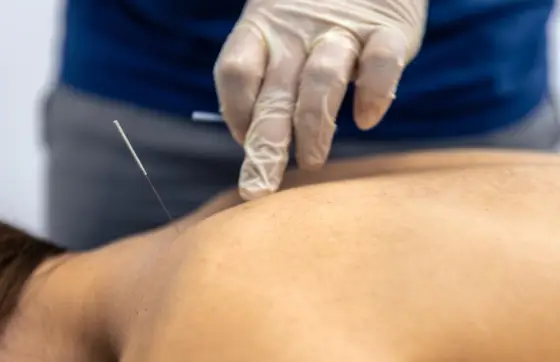
Each person’s response depends on factors such as tissue condition, chronicity, overall health, and treatment integration with other therapies. When applied as part of a comprehensive rehabilitation plan, dry needling can enhance the effectiveness of movement-based treatment and support more consistent progress toward recovery goals.
Dry needling is not a one-size-fits-all technique. Different clinical situations may require different levels of precision, neuromuscular input, or safety considerations. Based on your evaluation, your therapist may select from several dry needling approaches to best match your condition, tissue needs, and stage of recovery.
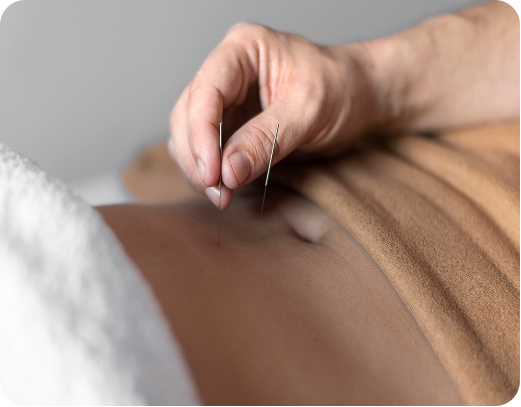
This approach targets dysfunctional muscle tissue, trigger points, and tight bands that contribute to pain, movement limitation, and neuromuscular imbalance. Needle insertion may help normalize muscle tone, improve local circulation, and reduce pain sensitivity through both local tissue effects and nervous system responses.
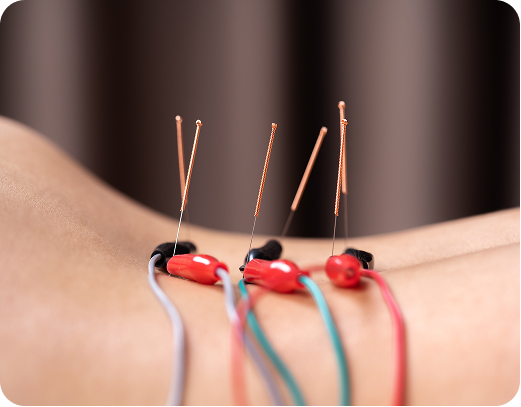
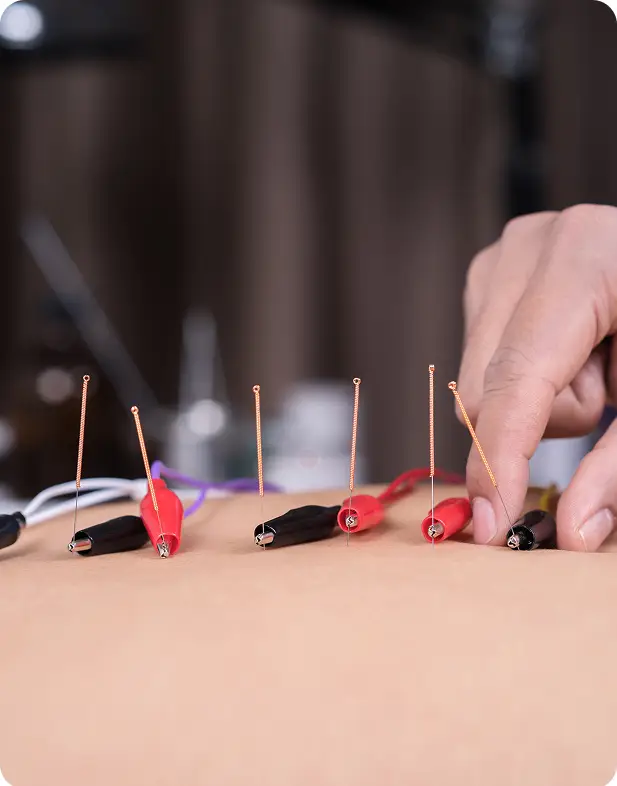
Electro dry needling combines needle placement with low-frequency electrical stimulation delivered through the needles. Research suggests this may enhance neuromuscular activation, influence pain modulation pathways, and improve circulation compared to needle insertion alone in certain conditions.It is sometimes used when additional neuromodulatory input or muscle activation support is clinically appropriate.
Ultrasound guidance allows real-time visualization of muscles, tendons, and surrounding structures during needle placement. This improves targeting accuracy and safety, particularly in deeper regions or near sensitive anatomical areas. It may be selected when precision is important due to anatomical complexity or clinical presentation.
Not every patient requires all approaches. The choice depends on individual evaluation findings, treatment goals, and clinical judgment.
Dry needling is commonly considered when pain or movement limitation is associated with neuromuscular dysfunction, trigger points, or soft tissue irritation. Because these factors can contribute to both acute and chronic musculoskeletal conditions, dry needling may be incorporated as part of a broader rehabilitation plan when clinical findings support its use.

Neck pain
Shoulder pain and frozen shoulder
Back pain
Sciatica and nerve irritation
Sports injuries
Tendinopathy
Muscle strains
Headaches
TMJ disorders
Chronic pain syndromes
Myofascial pain
Post-surgical stiffness
Movement dysfunction
Not every condition or patient requires dry needling. A thorough clinical assessment helps determine whether it is appropriate and how it fits within your overall treatment strategy, ensuring care is guided by your specific presentation, tissue tolerance, and recovery goals.
Dry needling is not applied routinely or universally to every patient. Within The S.H.I.V.A. Method, its use is determined by clinical presentation, tissue state, healing phase, and individual response patterns. Some conditions benefit significantly from needling interventions, while others progress effectively without it.
Our approach focuses on when to apply, what type to apply, and when to avoid it. This includes decisions such as:.
Because tissue biology changes throughout recovery, timing matters. Applying needling too early in an inflammatory stage or unnecessarily in later stages may not provide benefit. Strategic use based on healing readiness is what differentiates regenerative care from routine application.
Within The S.H.I.V.A. Method, dry needling serves as one component of a comprehensive strategy that also addresses:
When used appropriately, dry needling can be a valuable contributor to regenerative physical therapy (RPT) by helping normalize neuromuscular function and reduce barriers to movement. However, it supports recovery; it does not replace rehabilitation, and it is never applied without clear clinical reasoning.
Dry needling sessions are targeted, efficient, and designed to support neuromuscular recovery without significant downtime. Here’s what a typical session may include:
Each session typically lasts 10–20 minutes, depending on the areas being treated and the complexity of the condition.
Most patients receive dry needling 1–2 times per week as part of a structured rehabilitation plan based on clinical findings.
You may feel a brief twitch, pressure, or mild aching sensation when the needle contacts the targeted tissue.
Minimal preparation is required. Clothing should allow access to the treatment area.
Treatment is usually performed while you are comfortably lying on a treatment table, fully clothed, in a relaxed position.
There is no required downtime. Most patients resume normal activities immediately following treatment, although mild, temporary soreness can occur
Some patients notice improvements in pain, mobility, or muscle tension within the first few sessions, with continued progress as neuromuscular function normalizes alongside the broader rehabilitation program.
Dry needling is considered when clinical evaluation suggests that neuromuscular dysfunction may be contributing to pain, movement restriction, or delayed recovery. It is not necessary for every patient, but it can be beneficial when specific muscle or nerve-related factors are identified as barriers to progress.

Dry needling may be appropriate for individuals who:
Have muscle-related pain or persistent tightness
Experience movement limitations linked to soft tissue dysfunction
Present with chronic trigger points or muscle guarding
Show signs of neuromuscular dysfunction affecting coordination or control
Are recovering from injury with residual muscle inhibition or stiffness
Have ongoing pain despite other conservative treatments
Need improved muscle activation to support rehabilitation
Clinical screening determines suitability. The decision to use dry needling is always based on individual findings, overall treatment goals, and how it fits within a comprehensive rehabilitation plan to support safe and effective recovery
Dry needling is based on Western anatomy, neurophysiology, and musculoskeletal science. It targets dysfunctional muscles, trigger points, and neuromuscular pathways rather than acupuncture meridians used in traditional Eastern medicine.
Dry needling for myofascial trigger points associated with neck pain.
Read Full Study →The effectiveness of trigger point dry needling for musculoskeletal conditions: systematic review.
Read Full Study →Is dry needling effective for musculoskeletal pain? Systematic review and meta-analysis.
Read Full Study →Electrical dry needling for plantar fasciitis randomized trial.
Read Full Study →Electrical dry needling for chronic lateral epicondylalgia.
Read Full Study →Dry needling for plantar heel pain systematic review.
Read Full Study →Musculoskeletal ultrasound-guided interventions accuracy review.
Read Full Study →