What Is the S.H.I.V.A. Method®, and Why Does It Work When Other Treatments Have Not?
S.H.I.V.A. Method is a 5-phase regenerative physical therapy framework. Explore the science behind sequencing therapies that outperform any one tool.
Quick Answer
- ✓The S.H.I.V.A. Method is a 5-Phase Regenerative Framework for delivering Regenerative Physical Therapy. The 5 phases are Simplify, Hone, Integrate, Vitalize and Activate. What makes it work is not the equipment, which any clinic can buy. It is the sequencing: knowing which therapy to apply, at what point in healing, at what dose, and what to pair it with. Research on combined therapies is showing that the same tools produce very different results depending on how they are put together.
You Have Done the Right Things. So Why Is It Still Not Better?
Most people arrive here having already worked through the usual pathway. Rest. Something for the inflammation. A round of physical therapy. Perhaps chiropractic care or acupuncture, or a course of shockwave on its own, or laser on its own. Maybe an injection that gave real relief for a while.
That is a reasonable pathway, and for plenty of people it is enough. Things settle, function comes back, and nothing more is needed.
Sometimes, though, it gets you most of the way and then stalls. The pain quiets down but never fully leaves. You return to some activities and not the ones you actually miss. And when you ask what comes next, the answer tends to jump straight to an injection or a surgical consult.
Before accepting that, there is a question worth sitting with:
That question is the reason the S.H.I.V.A. Method exists.
What Is the S.H.I.V.A. Method®?
The S.H.I.V.A. Method is the clinical system used at Shiva Physical Therapy to deliver Regenerative Physical Therapy. If Regenerative Physical Therapy is the field, describing what happens in tissue, nerves and behavior during recovery, the S.H.I.V.A. Method is how a clinician turns that into a plan for one person, session by session.
It is a reasoning framework, not a protocol. Two people with the same diagnosis will not receive the same plan under it, because the framework responds to how irritable the tissue is, where it sits in the healing timeline, and how the person in front of you is actually responding.
What Are the 5 Phases?
| Phase | The clinical question | What happens |
|---|---|---|
| S. Simplify | Why is this happening? | A whole-system assessment. Not just where it hurts, but how mechanical, neural, vascular and metabolic factors are interacting to keep it hurting. |
| H. Hone | What does this person need right now? | The plan is built to the presentation and stage of healing, not the diagnosis code. Inflammatory, reparative and remodeling tissue each need different handling. |
| I. Integrate | Which therapies, in what order, at what dose? | The therapeutic cascade. This is the phase where sequencing decisions are made and where most of the difference in outcome is generated. |
| V. Vitalize | Are the systems talking to each other again? | Recalibration of movement, sensory-motor control, tissue capacity and nervous system regulation so they work together rather than against each other. |
| A. Activate | Can you carry this into your real life? | Progressive loading toward strength, capacity and confidence for work, sport and daily activity. This is where gains become durable. |
The phases overlap. A patient early in recovery still loads at whatever level the tissue tolerates, and a patient finishing rehabilitation still gets tissue and nervous system support. The framework describes where the emphasis sits, not a staircase you climb one step at a time.
What Makes This Different From a Clinic With the Same Machines?
This is the fair question, and it deserves a direct answer. Buying a shockwave unit or a Class IV laser is a financing decision. Device companies sell them with a weekend of training and marketing material presenting the machine as the answer. Any clinic can do this. Many have.
What cannot be purchased is the answer to four questions that sit behind every single application:
- Selection. Which tool suits this tissue, this stage and this person? The same knee pain in two people can call for opposite approaches.
- Timing. An acutely irritable tendon and a long-standing degenerative one can present almost identically and need entirely different decisions.
- Dose. Energy level, pulse count, frequency and interval all change the biological result. The same device set two ways is effectively two different treatments.
- Pairing and sequence. What is applied alongside it, and what is loaded into the window it opens.
Knowing when not to use something belongs on that list too. A tool applied at the wrong point does nothing at best and flares a sensitive problem at worst. Restraint is part of the skill, and the Integrate phase exists to make these calls deliberately rather than by habit. That is the part that is hard to copy.
Why Is This Step Missing From Most Care?
Patients ask this constantly and usually get a vague answer, so it is worth being direct.
It is not that clinicians do not care or do not know their work. Most are good at what they do. The problem is structural, and it has four parts.
Time is the first constraint
Most outpatient physical therapy runs on insurance reimbursement that rewards volume. A therapist scheduled to see two or three patients in the same hour, with some of the exercise delegated to an aide, does not have room to reason through selection, timing, dose and sequence for each one. That is an economic constraint imposed on the clinician, not a clinical failing.
Training on devices is thinner than people assume
A device arrives with a weekend course and a manufacturer protocol card. That is enough to operate a machine safely. It is nowhere near enough to know when the same machine is the wrong choice, or how to dose it differently for an irritable tendon than a degenerative one. Few programs teach that layer, and the manufacturer selling the device has no commercial reason to teach when not to use it.
Care gets organized around the diagnosis code
Authorization is granted by diagnosis, so plans tend to be built by diagnosis. Two people with the same code get the same protocol despite sitting at completely different points in the healing timeline.
Modalities get used as fillers
This is the one that costs patients the most. A modality applied at the start or end of a session to fill time, with nothing loaded into the window it opens, produces very little. The technology was not the problem. The plan around it was.
None of this is a criticism of individual physical therapists, chiropractors, physicians or surgeons. Plenty are excellent, and many are working inside constraints they did not design and cannot change from within.
The criticism is of a delivery model: one that pays for volume rather than reasoning, that treats advanced technology as a service line rather than as one input into a plan, and that moves patients from standard therapy straight to an injection or a surgical consult without a genuine attempt at the tier in between.
Why Does Combining Therapies Work Better Than Any One of Them?
Here is the part most articles skip, and it is the most interesting science in this field right now. Every regenerative technology works on a different biological lever. That is not marketing language, it is mechanism, and it is why the tools are not interchangeable.
| Therapy | The lever it pulls |
|---|---|
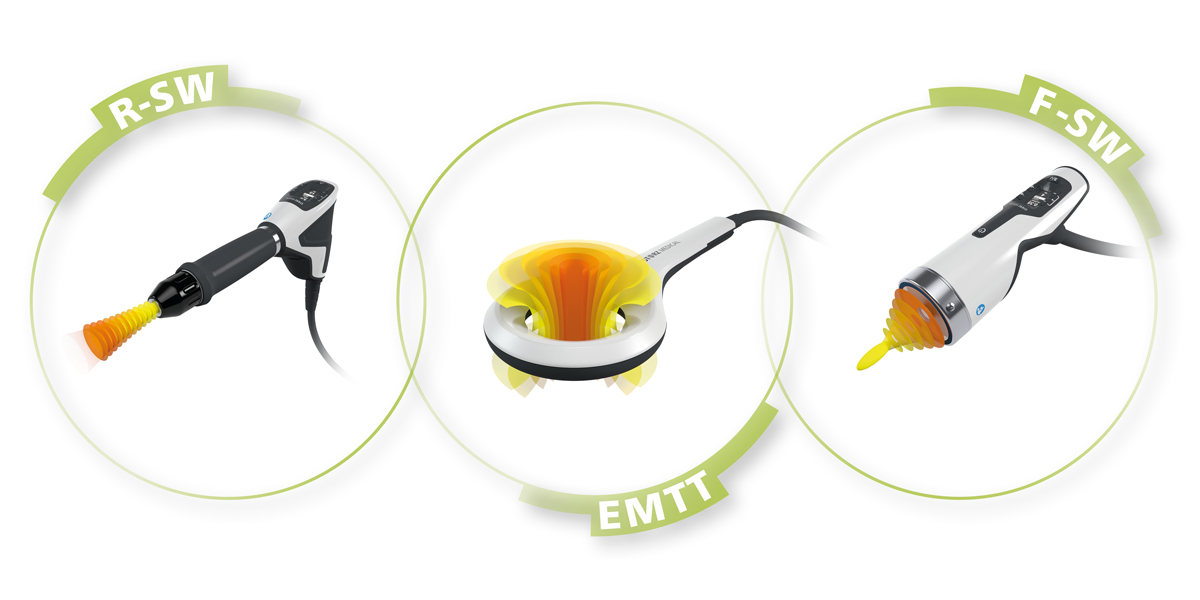
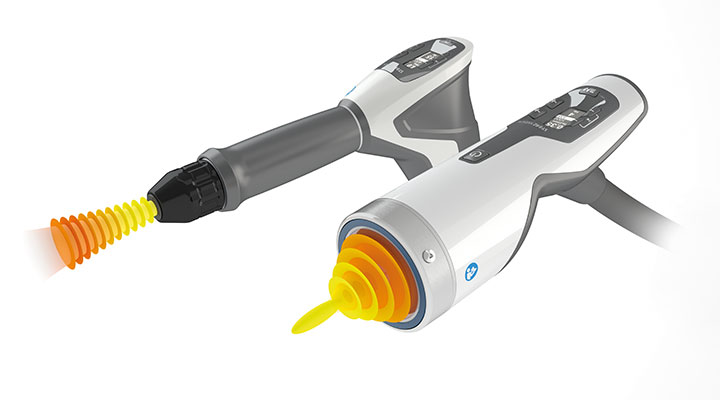
| Focused shockwave | Mechanical, deep and targeted. A true shock wave, generating a high-pressure front that reaches a defined focal depth. Triggers mechanotransduction, growth factor release and new blood vessel formation at the tissue of interest. The choice for deeper structures, bone and precise focal pathology. |
| Radial pressure wave | Mechanical, broad and superficial. Often called radial shockwave, though technically it is an acoustic pressure wave rather than a true shock wave. Energy is highest near the surface and disperses with depth, which suits larger, more superficial areas rather than pinpoint targets. |
| Photobiomodulation, Class IV laser | Metabolic. Light absorbed at the mitochondria influences cellular energy production and inflammatory signaling. |
| EMTT, magnetotransduction | Cellular and electrical. Pulsed magnetic fields influence ion channel behavior, cell membrane activity and gene expression, and they reach a wider volume than focal therapies. |
| INDIBA 448 kHz radiofrequency | Thermal and circulatory. Deep endogenous heat raises microcirculation, cellular metabolism and tissue extensibility. |
| Progressive loading | Structural. Mechanical load is the signal that tells tissue what to become, driving collagen organization and real capacity. |
This is not the full list. There are many regenerative treatment modalities: SCENAR, STIMPOD 460, dry needling, microcurrent, and several others, each with its own mechanism and its own place. What matters is that every one of them pulls a different lever.
Look at that, and the logic becomes obvious. A mechanical stimulus and a metabolic one are not competing for the same pathway. They address different bottlenecks in the same repair process. If a tendon has poor blood supply, disorganized collagen, sluggish cellular energy, and no meaningful load history, treating one of those and expecting resolution is optimistic. The bottleneck simply moves.
The focused versus radial shockwave distinction makes the same point one level down. Even within a single category of therapy, the wrong choice is a different treatment, not a weaker version of the right one.
The Window Nobody Talks About
There is a second reason sequencing matters, and most patients have never heard it.
Several of these therapies do not heal tissue directly. They make tissue more receptive. Shockwave triggers a repair response. Radiofrequency raises local circulation and extensibility. Photobiomodulation supports cellular energy availability. Each one opens a window in which tissue responds better to a mechanical signal.
If nothing is loaded into that window, the window closes. The biology was stimulated and then given no instruction about what to build. This is the most common way advanced technology gets wasted: applied correctly, in isolation, with the patient sent home to rest.
It is also why progressive loading sits at the center of this framework rather than at the end of it. Loading is not what you do after the technology works. It is what tells the technology what to do.
So the question worth asking any clinic is not whether they have the device. It is what happens in the hours and days after they use it. Owning a machine and knowing what to build into the window it opens are two different things, and the second is where the S.H.I.V.A. Method does its work.
What Would Make You Say No to This?
A fair question deserves an honest inventory, so here is the case against.
- The combination evidence is genuinely mixed. Some pairings show clear benefit over one therapy alone. Others show none. The detail below is presented as it is rather than as a sales case.
- It is not a cure. This approach does not regrow cartilage or reverse arthritis.
- Some conditions need surgery. Significant traumatic tears, unstable fractures and progressive neurological deficits need surgical evaluation. Recognizing that is part of the job.
- It takes time and effort. Tendon remodeling takes months, not weeks. Technology can support that process but it cannot compress it. The loading portion is work, and it is the part that makes the change durable.
- Results vary. Diagnosis, how long the problem has been present, general health, sleep, stress and consistency all matter.
If you were hoping to lie on a table and have a machine solve this, this is not that. It is a reasonable point at which to stop reading.
What Does the Research Actually Say About Combined Advanced Therapies?
This is the section worth reading slowly, because the results are not uniform, and that is exactly the point.
Shockwave and EMTT
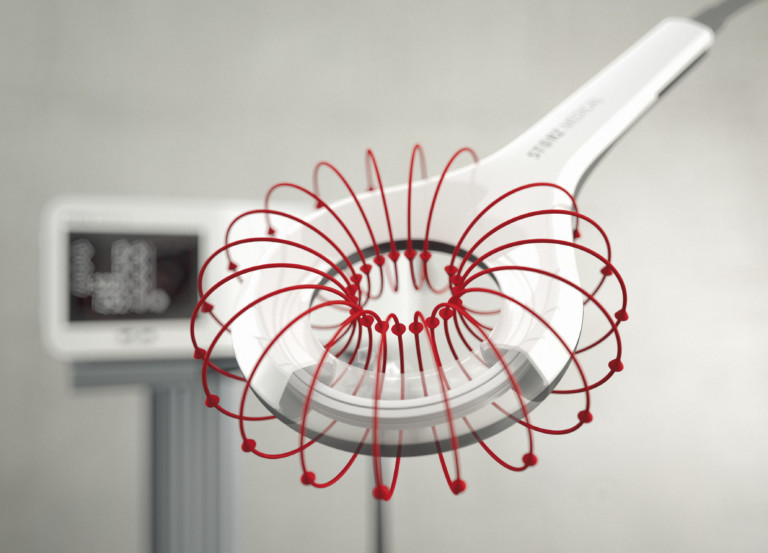
The strongest combination evidence to date. A prospective randomized controlled trial of 86 patients with rotator cuff tendinopathy compared shockwave therapy plus EMTT against shockwave with a sham EMTT. Both groups improved, but the combination produced significantly greater pain reduction at 24 weeks, with significant improvement in shoulder function on the Constant-Murley score.
A 2025 case‑control pilot study also reported that shockwave combined with EMTT after foot and ankle surgery was associated with improved pain and earlier return to activity. That one is preliminary and should be read as promising rather than established.
Shockwave and exercise
Here the picture splits, and understanding why is the whole argument for clinical reasoning.
- For subacromial impingement, shockwave combined with isokinetic exercise outperformed shockwave alone in a randomized trial.
- For non‑insertional Achilles tendinopathy, adding shockwave to eccentric exercise produced significantly better pain and satisfaction scores after treatment and at three months, though the difference had washed out at long-term follow‑up averaging over six years.
- For insertional Achilles tendinopathy, a double‑blinded randomized trial of 119 patients found that shockwave did not potentiate eccentric strengthening at all.
- For patellar tendinopathy, a systematic review with GRADE assessment found that shockwave, with or without eccentric exercise, had a negligible short-term effect.
Same two therapies. Four conditions. Four different answers. A clinic that applies shockwave to every tendon problem is going to be right some of the time by accident.
Radiofrequency and exercise
A sham‑controlled randomized trial found that adding 448 kHz capacitive-resistive radiofrequency to exercise produced modest additional gains in function and mobility for subacromial pain in the short term, though not in pain perception. A 2025 randomized controlled trial combining 448 kHz radiofrequency with proprioceptive neuromuscular facilitation for chronic low back pain also reported benefit. Honest reading: a useful adjunct with modest effects, not a headline therapy.
Radiofrequency and laser
A randomized trial compared radiofrequency alone, laser alone, and the two applied simultaneously, with three-month follow‑up. A published review has also examined radiofrequency alongside high‑intensity laser and manual therapy in muscle disorders. The mechanistic rationale is sound. The clinical evidence base is still early.
What the international consensus says
In 2025, a modified Delphi study involving 41 expert clinicians and researchers across 13 countries produced formal recommendations for shockwave therapy in sports medicine. Two things stand out for patients. First, shockwave was recognized as effective on its own for specific conditions including plantar fasciitis, lateral epicondylitis and proximal hamstring tendinopathy. Second, for other conditions it was recognized specifically as an adjunct to exercise rather than a replacement for it.
That distinction is the entire philosophy of the Integrate phase, arrived at independently by an international expert panel.
Combining therapies is not automatically better. It is better when the right therapies are combined for the right condition, in the right order, with loading built into the plan. That is a clinical reasoning problem, not an equipment problem.
Where Does This Fit Before Injections or Surgery?
Standard care runs a short ladder: rest and medication, then physical therapy, with some patients also trying chiropractic care or acupuncture along the way, then injections, then surgery. When therapy plateaus, most patients are moved straight to something invasive.
The S.H.I.V.A. Method occupies the step in between. It replaces neither surgery nor exercise. It is the most thorough conservative option still available to try before anything invasive gets scheduled.
Worth noting: a multicentre randomized trial comparing arthroscopic subacromial decompression against placebo surgery and against exercise therapy for shoulder impingement found no meaningful benefit from surgery over either comparison at two and five years. That does not mean surgery is never right. It means a real conservative attempt deserves to happen first when the condition allows it.
Frequently Asked Questions
1. What does S.H.I.V.A. stand for?
Simplify, Hone, Integrate, Vitalize, Activate. Each letter is a phase answering a different clinical question: why is this happening, what does this person need now, which therapies and in what order, are the systems working together again, and can the gains carry into real life.
2. Other clinics have the same equipment. What is actually different?
The equipment is the easy part to buy. What changes the outcome is selection, timing, dose and what each therapy is paired with. Research on the same two therapies shows benefit in one condition and none in another, which means the decision matters more than the device.
3. Is combining therapies actually supported by research?
Yes, for some therapy combinations and conditions but not universally. Research shows that shockwave plus EMTT can outperform shockwave alone in certain rotator cuff injury cases, while other combinations have shown little benefit.
4. Does the S.H.I.V.A. Method involve injections, PRP or stem cells?
No. It is entirely non‑invasive and drug-free. Regenerative Physical Therapy is a separate field from injection-based regenerative medicine, and physical therapists do not perform those procedures.
5. How is this different from the physical therapy I already had?
Standard physical therapy centers on exercise and manual therapy, which works well for many people. This adds a tier on top: advanced non‑invasive technologies, precision loading protocols and nervous system work, sequenced to your stage of healing. If a first course of therapy helped but plateaued, this is usually the tier that was missing.
6. What conditions is it used for?
Low back and neck pain, shoulder pain and stiffness, frozen shoulder, Achilles, patellar, gluteal and elbow tendinopathies, plantar heel pain, osteoarthritis-related limitations, sports and overuse injuries, and postoperative rehabilitation after surgical clearance.
7. Does insurance cover it?
Shiva Physical Therapy is cash-based and out‑of‑network, which allows longer one-on-one sessions and clinical decisions driven by your needs rather than by authorization. Many patients submit for out‑of‑network reimbursement and documentation is provided.
Author
Dr. Siva Parnam, PT, DPT, Osteopractor
Founder, Shiva Physical Therapy | Creator of the S.H.I.V.A. Method
Dr. Parnam developed the S.H.I.V.A. Method as a structured clinical framework for Regenerative Physical Therapy, integrating advanced non‑invasive therapeutic technologies, hands-on musculoskeletal care, neuro-musculoskeletal rehabilitation and progressive loading into one sequenced system. His clinical focus is chronic pain, tendon and joint conditions, post-surgical plateaus and cases that have not responded to conventional rehabilitation.
References
1. Klüter T, Krath A, Stukenberg M, et al. Electromagnetic transduction therapy and shockwave therapy in 86 patients with rotator cuff tendinopathy: a prospective randomized controlled trial. Electromagnetic Biology and Medicine. 2018;37(4):175-183.
2. Hollander K, Burgkart R, von Eisenhart-Rothe R, Vester J, Gerdesmeyer L. Extracorporeal magnetotransduction therapy (EMTT) for management of musculoskeletal disorders: a double‑blind, placebo-controlled, randomised trial. Journal of Back and Musculoskeletal Rehabilitation.
3. Focused shock wave therapy and electromagnetic transduction therapy may improve post-operative bone healing in selective foot and ankle surgeries: a case‑control pilot study. Journal of Orthopaedic Surgery and Research. 2025.
4. Rhim HC, Singh M, Maffulli N, et al. Recommendations for use of extracorporeal shockwave therapy in sports medicine: an international modified Delphi study. British Journal of Sports Medicine. 2025;59(18):1287-1301.
5. Mansur NSB, Matsunaga FT, Carrazzone OL, et al. Shockwave therapy plus eccentric exercises versus isolated eccentric exercises for Achilles insertional tendinopathy: a double‑blinded randomized clinical trial. Journal of Bone and Joint Surgery. 2021;103(14):1295-1302.
6. Comparison of isolated eccentric exercise and eccentric exercise combined with shock wave therapy in non‑insertional Achilles tendinopathy. Foot and Ankle Surgery. 2025.
7. Charles R, Fang L, Zhu R, Wang J. The effectiveness of shockwave therapy on patellar tendinopathy, Achilles tendinopathy, and plantar fasciitis: a systematic review and meta-analysis. Frontiers in Immunology. 2023.
8. Extracorporeal shockwave therapy combined with isokinetic exercise for subacromial impingement syndrome: a randomized clinical trial. Journal of Orthopaedic and Sports Physical Therapy. 2016;46(9):714-725.
9. Capacitive resistive monopolar radiofrequency at 448 kHz plus exercising versus exercising alone for subacromial pain: a sham‑controlled randomized clinical trial. 2022.
10. Jurak I, et al. Evaluating the efficacy of capacitive resistive monopolar radiofrequency combined with proprioceptive neuromuscular facilitation in managing chronic low back pain: a randomised controlled trial. Physiotherapy Research International. 2025.
11. Kumaran B, Watson T. Treatment using 448 kHz capacitive resistive monopolar radiofrequency improves pain and function in patients with osteoarthritis of the knee joint: a randomised controlled trial. Physiotherapy. 2019.
12. Comparison of Tecar therapy and low-level laser therapy separately and simultaneously on clinical symptoms and health-related quality of life: a 3-month follow‑up study. 2024.
13. Szabo DA, Neagu N, Teodorescu S, et al. TECAR therapy associated with high‑intensity laser therapy and manual therapy in the treatment of muscle disorders: a literature review on the theorised effects supporting their use. Journal of Clinical Medicine. 2022;11(20):6149.
14. Paavola M, Malmivaara A, Taimela S, et al. Subacromial decompression versus diagnostic arthroscopy for shoulder impingement: randomised, placebo surgery controlled clinical trial. BMJ. 2018.
15. Paavola M, et al. Subacromial decompression versus diagnostic arthroscopy for shoulder impingement: a 5-year follow‑up of a randomised, placebo surgery controlled clinical trial. British Journal of Sports Medicine. 2021.
Related Clinical Articles
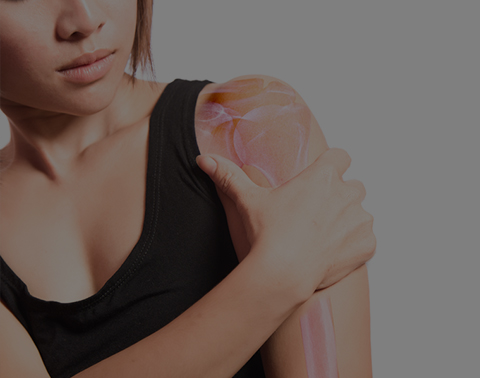
Frozen Shoulder Treatment Guide
A Stage-Specific, Non-Invasive Approach with the S.H.I.V.A. Method.
Navigating Your Path to Pain Recovery
How to Choose the Right Physical Therapist: A Patient-Friendly Guide.
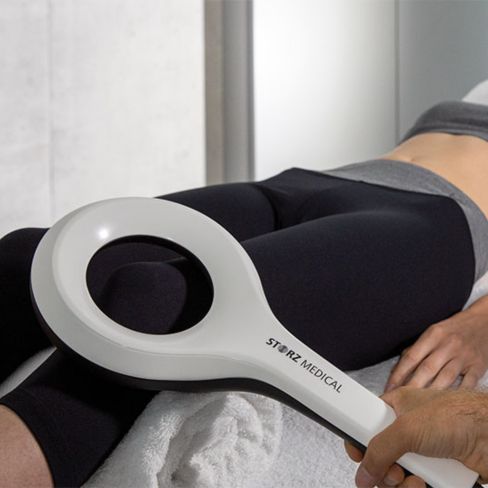
Regenerative Physical Therapy
A Whole-System Model for Musculoskeletal Healing.
Fill out the form and our team will respond promptly. For immediate assistance, call or text us directly.
We’d Love to Hear From You
Get Started with Shiva Physical Therapy
Most Physical Therapists are excellent clinicians working inside a system that limits them. Long hours. Overwhelming insurance paperwork.